
Introduction
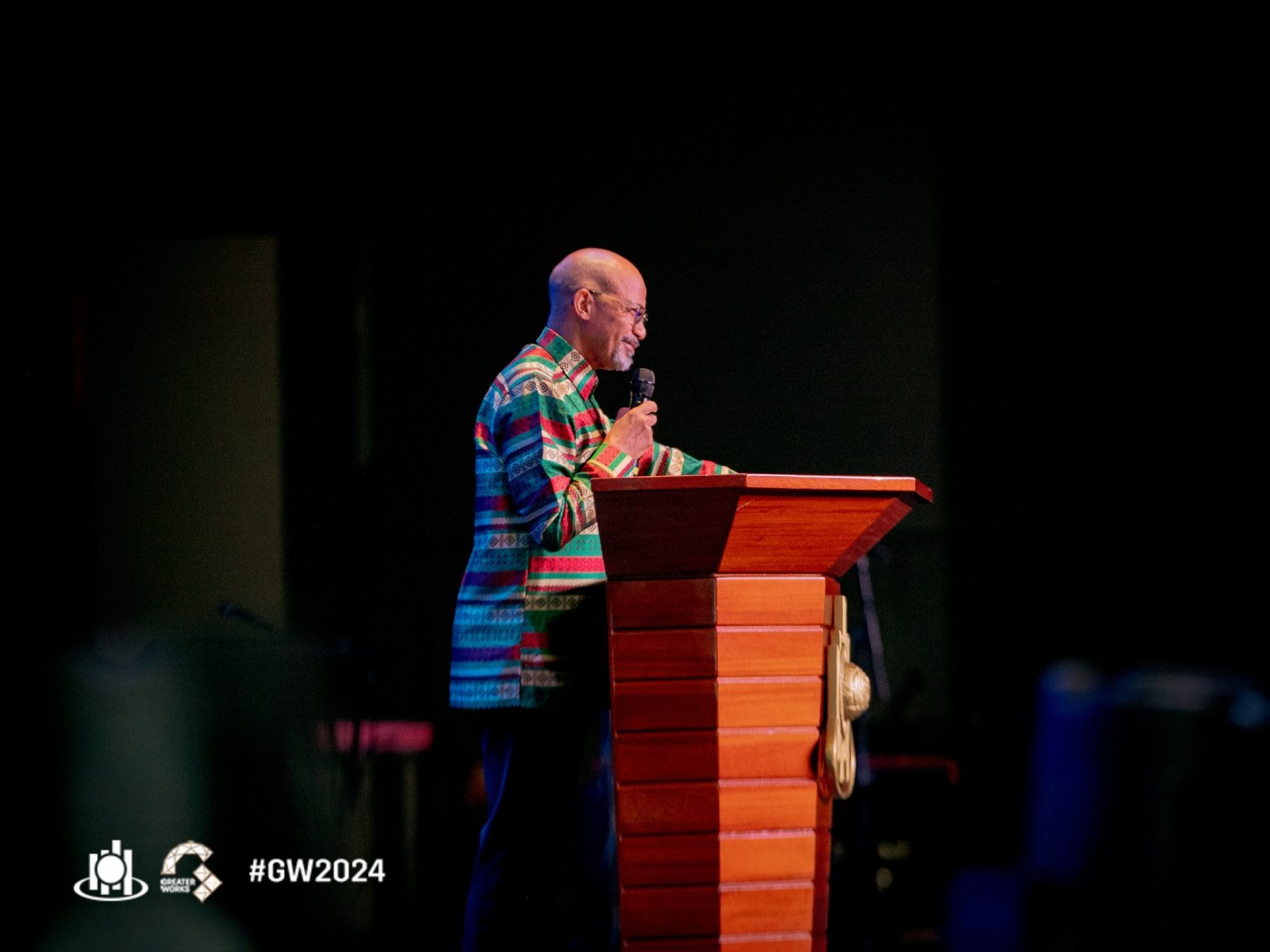
At the Greater Works 2024 conference, Bishop Tudor Bismark delivered a powerful sermon on the third morning session, captivating the audience with his profound insights and dynamic presentation.
The sermon, titled “The Power of the 13th Man,” drew from Nehemiah chapter 8 and focused on the importance of building a strong foundation in faith and community.
Bishop Bismark began his sermon with a unique approach, likening his role to that of a defending lawyer presenting a case on behalf of his audience. He stated, “The object of this presentation, in the manner it will be presented, I will be your defending lawyer against a prosecutor who is adamant to take you down.”
This engaging analogy set the tone for a message that promised to empower and equip the listeners to claim their rightful place in the spiritual realm.
The Setting: Nehemiah Chapter 8
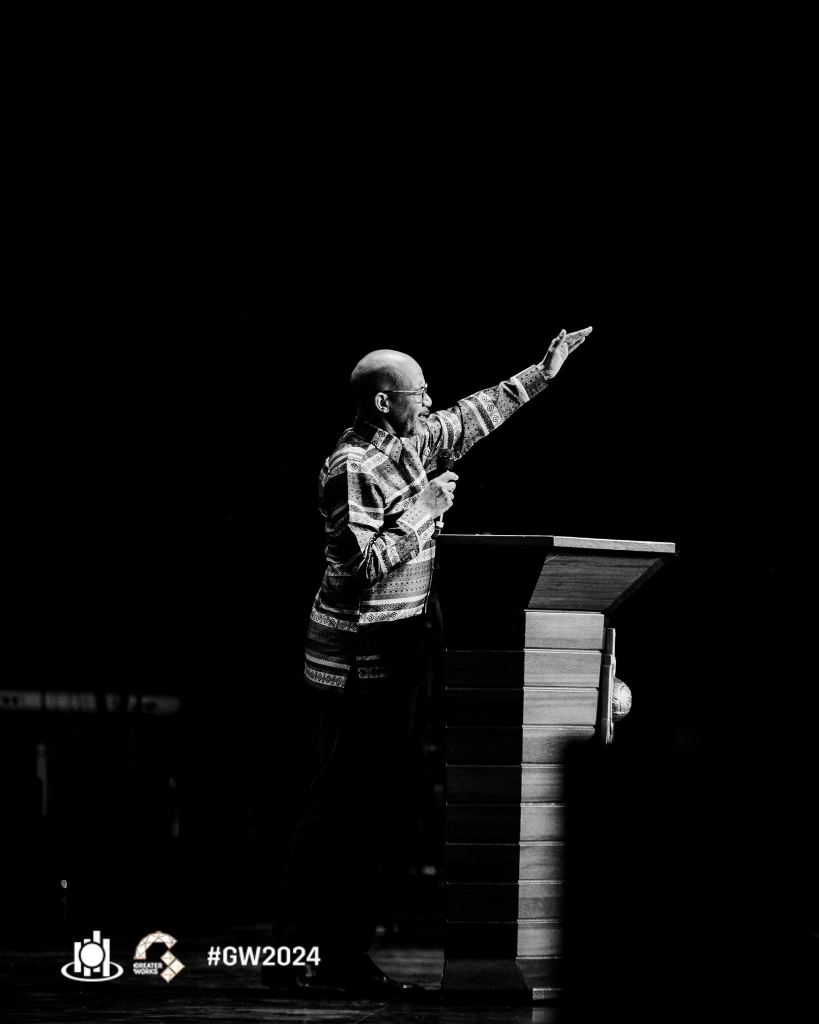
Bishop Bismark rooted his sermon in the scriptural passage from Nehemiah 8, where Ezra the scribe reads the Book of the Law to the assembled Israelites. The scene is one of unity and reverence, with the people gathered as “one man” to hear the word of God.
Bismark highlighted the significance of this moment, emphasizing the collective effort and the spiritual hunger of the people. “And Ezra opened the book, in the sight of all the people, for he was above all the people; and when he opened it, all the people stood up,” he quoted, underscoring the reverence and attentiveness of the congregation.
The Power of Unity and Understanding
One of the central themes of Bismark’s message was the power of unity and understanding in building a strong community of faith. He pointed out that Ezra and the Levites helped the people to understand the law, making it accessible and meaningful to everyone present.
“They read from the book of the law of God, making it clear and giving the meaning so that the people understood what was being read,” he explained. This act of collective comprehension and engagement was crucial in rebuilding the spiritual and social fabric of the nation.
Challenges and Responsibilities of Modern Church Leadership
Bishop Bismark then transitioned to discussing the contemporary church, drawing parallels between the challenges faced by the Israelites and those encountered by today’s church leaders. He expressed concerns about the health and well-being of the global church, particularly among younger leaders.
“We are trying to encourage them to develop not just large gatherings that collect significant finances, but a depth in theological knowledge, a depth in character, a depth in diligence, commitment, and a depth in relationships,” he noted.
Building with Vision and Integrity
The sermon emphasized the necessity of building with vision and integrity. Bishop Bismark urged the audience to take ownership of their lives and futures, much like the Israelites who had to rebuild their nation after captivity.
“Your life has to be built. You only have one, and we have to build it,” he declared. This message was a call to action, encouraging believers to construct their lives, ministries, and communities with intentionality and perseverance.
Lessons from History and the Importance of Relationships
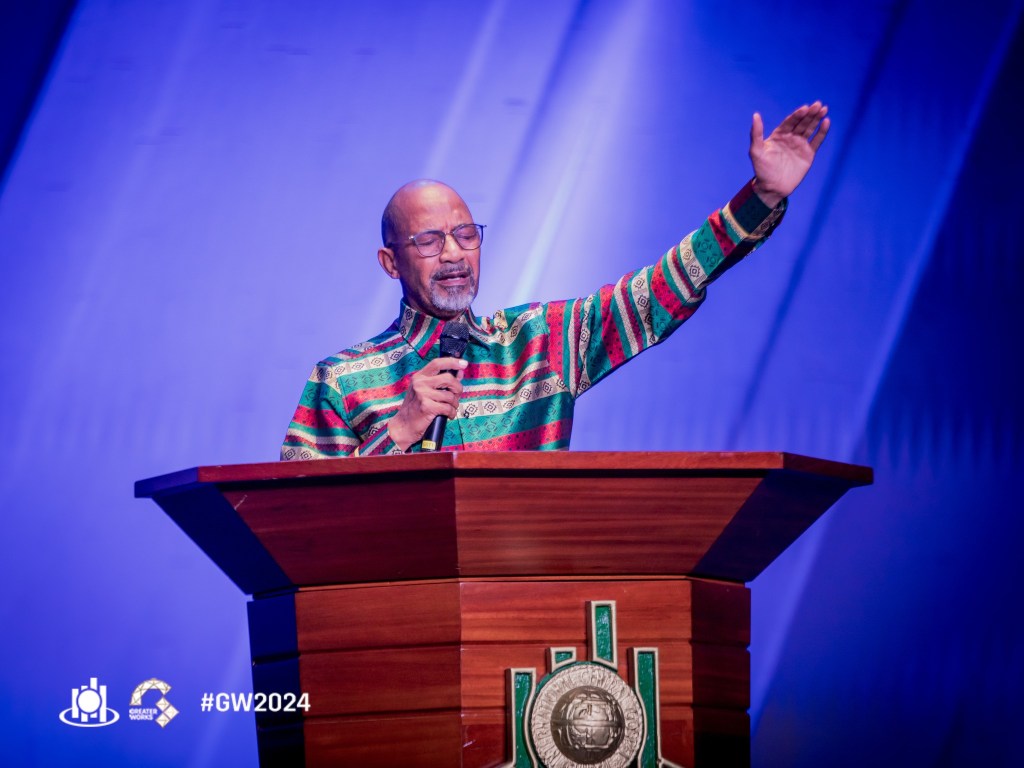
Drawing from historical examples, Bismark illustrated the importance of relationships and collaboration in achieving success. He spoke about the rebuilding of Jerusalem, where different leaders and prophets worked together towards a common goal.
“In times of plenty, we are able to share. In times of lack, we are able to share. And in times of trouble, we are able to care for each other,” he reminded the audience. This cooperative spirit is essential for the growth and sustainability of any community.
Contemporary Challenges and the Need for Adaptation
Bishop Bismark addressed the contemporary challenges faced by the African church, contrasting it with the Western style of church leadership. He emphasized the need for empowerment and the development of individual gifts to improve the quality of life for Africans.
“We are becoming more empowerment-oriented, where we are teaching people not just to love God but to maximize their individual gifts,” he explained. This focus on empowerment and personal development is crucial for the church’s relevance and impact in modern society.
Building a Strong Foundation
In the concluding part of his sermon, Bishop Bismark returned to the metaphor of building. He stressed that anything worth having must be built with care and dedication. “It takes years, decades, centuries to build a thing. But it’s easy to destroy,” he cautioned.
The bishop encouraged the audience to build horizontally and vertically, creating a strong support system of peers and mentors, and to approach their endeavors with a long-term perspective.
Conclusion
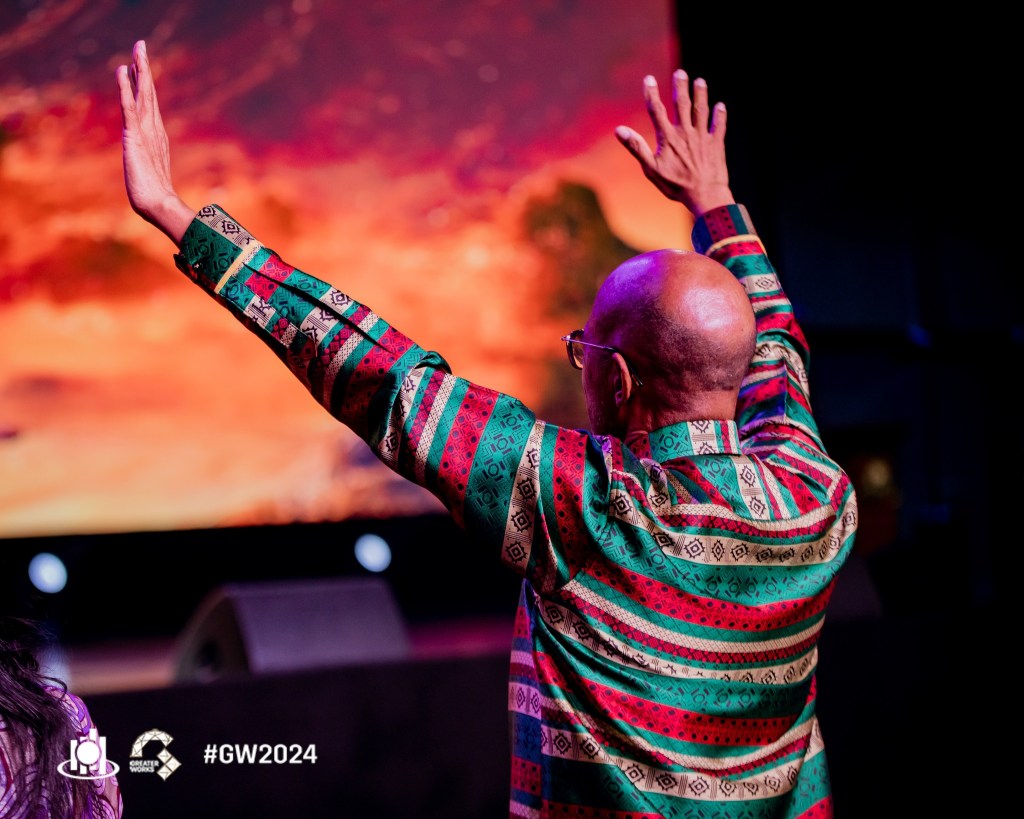
Bishop Tudor Bismark’s sermon at the Greater Works 2024 conference was a powerful call to action for believers to build their lives, communities, and ministries with intention, unity, and integrity.
By drawing on the story of Nehemiah and the Israelites, he highlighted the importance of understanding, collaboration, and perseverance. His message was a reminder that while building takes time and effort, the results are enduring and transformative.
As he aptly put it, “You’ve got to build. You’ve got to build.” This sermon left the audience inspired and equipped to take on the challenges of their spiritual and personal journeys with renewed vigor and purpose.
Discover more from Living Our Bible
Subscribe to get the latest posts sent to your email.

