
Introduction
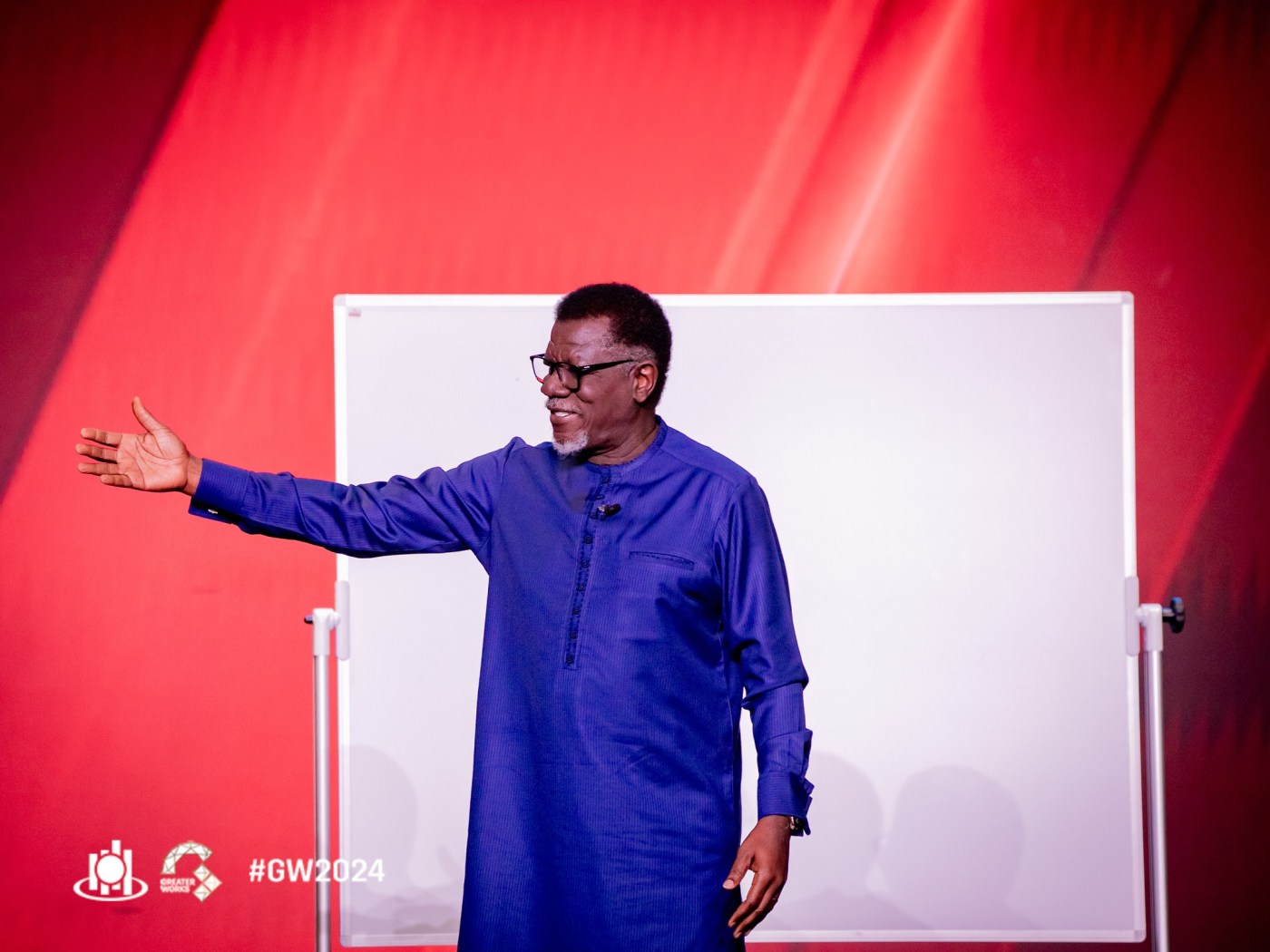
In the vibrant atmosphere of Greater Works 2024 Day 5 Morning Session, Pastor Mensa Otabil delivered a profound sermon at ICGC Christ Temple East, Teshie-Accra, that echoed with timeless wisdom and practical insights.
Drawing from Proverbs 27:23-27, Pastor Otabil meticulously unpacked the significance of managing one’s vocation, occupation, and reputation, while emphasizing the necessity of adapting to new seasons in ministry and life.
Pastor Mensa Otabil began his sermon by revisiting a foundational scripture that has deeply influenced his approach to life and ministry for nearly four decades. Proverbs 27:23-27 provides a blueprint for understanding the dynamics of productivity and sustainability.
Otabil remarked, “The first time I preached on this would be probably about 38 or so years ago… But it’s always good to go back and visit things you’ve said because it helps us to position especially for those who haven’t heard you talk about it.”
The Three Pillars: Vocation, Occupation, and Reputation
Pastor Otabil identified three critical areas that everyone must pay attention to: vocation, occupation, and reputation. These, he explained, are akin to the herds, cattle, and flocks mentioned in the biblical passage. They represent a person’s centers of productivity and value.
1. Vocation: This is what you are trained to do. For Pastor Otabil, his vocation is his pastoral work. It’s the skill set you acquire and the profession you engage in.
2. Occupation: This refers to the position one occupies. For Otabil, it’s his role as the General Overseer of ICGC. It is about the official duties and roles you fulfill.
3. Reputation: This is what you are known for. Otabil emphasized that everyone must be known for something. “When we invite Nathaniel Bassey, it’s because of his reputation. He has a reputation, and we rely on his reputation that when he comes and he ministers, we will be blessed.”
The Impermanence of Wealth and Titles
One of the key lessons Pastor Otabil highlighted was the transient nature of wealth and titles. Proverbs 27:24 states, “For riches are not forever, nor does a crown endure to all generations.” Otabil explained that while riches (wealth) and crowns (titles) are temporary, what lasts are the values and principles we build our lives upon.
He noted that often, people excel until they receive a title. “Sometimes the worst thing you can give to a person is a title,” he remarked. The essence of maintaining productivity and value lies in continuously nurturing and developing one’s vocation, occupation, and reputation.
Adapting to New Seasons
A significant portion of the sermon was dedicated to understanding the necessity of change and adaptation. Proverbs 27:25-26 talks about the removal of hay (what is old and stored) to make way for tender grass (something new and fresh). Otabil explained that while starting with what is known (hay) is essential, clinging to it can hinder progress.
He shared, “When I started pastoring a church, founding ICGC, I just learned from how churches are organized… that’s the hay. But the passage says the old must be removed. You cannot work with hay forever.” This metaphor underscores the importance of evolving practices and methodologies to stay relevant and effective.
Embracing the Wild Herbs
Pastor Otabil introduced a third element: the herbs of the mountains, representing resources that require effort to gather. Unlike the hay and tender grass, which are more accessible, wild herbs demand travel and effort, signifying advanced learning and innovation.
“The third level of feeding your flock is the herbs of the mountains,” he explained. These wild herbs symbolize unique, unprocessed knowledge and skills that one must actively seek out and integrate. Otabil shared his personal practice of sourcing information directly from original materials rather than processed content, underscoring the importance of originality and deep learning.
Continuous Reinvention
Pastor Otabil emphasized the need for continuous self-reinvention every seven years. He explained how his approach to ministry has evolved intentionally. “The way I preach here is very different from the way I used to preach… it is intentional and thoughtful because I am attempting something different.”
This process of reinvention is not just about changing methods but also about updating one’s mindset and approach to suit new contexts and audiences. Otabil’s adaptability has allowed him to remain impactful across different seasons of his ministry.
Conclusion
Pastor Mensa Otabil’s sermon at Greater Works 2024 was a masterclass in understanding the essentials of sustaining productivity and value in ministry and life. By focusing on the pillars of vocation, occupation, and reputation, and embracing the necessity of change and continuous learning, Otabil provided a roadmap for enduring success.
His message was clear: while the principles of God remain constant, the methods and approaches must evolve with time. “The same gospel must be preached in a new way,” he declared. As believers and leaders, it is imperative to balance the unchanging truths with innovative practices to navigate the complexities of our ever-changing world.
Discover more from Living Our Bible
Subscribe to get the latest posts sent to your email.

