
Introduction
Greater Works 2024, hosted by the International Central Gospel Church (ICGC) at Christ Temple East, Teshie-Accra, was a spiritually charged event filled with inspiring messages and profound teachings.
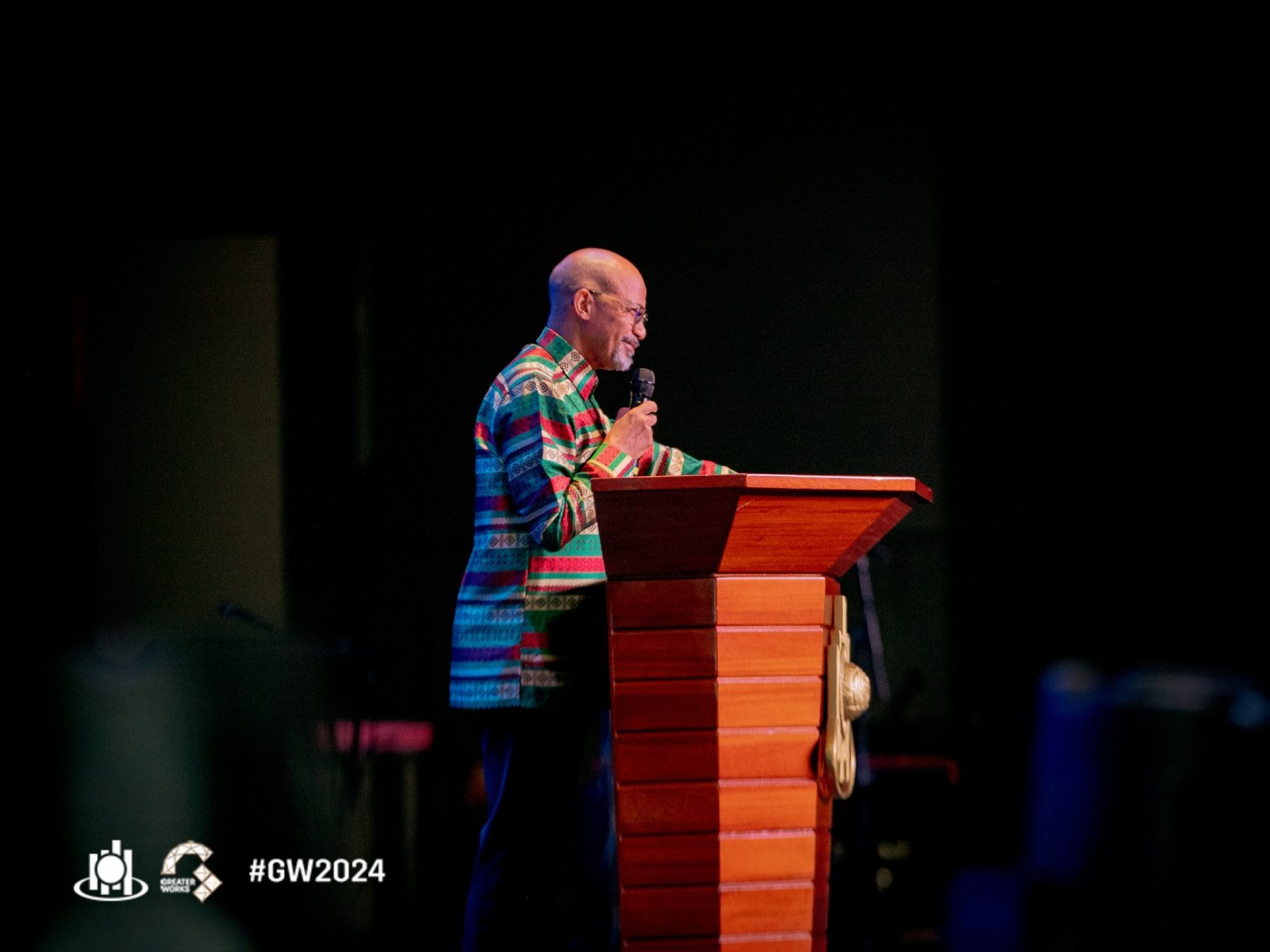
The fifth day of the morning session featured a powerful sermon by Bishop Tudor Bismark. Known for his deep theological insights and dynamic delivery, Bishop Bismark took the stage with a message that resonated deeply with the attendees and online viewers.
His sermon, titled “The House of the Barefooted Man,” was a compelling discourse on the nature of gifts, redemption, and the importance of seizing one’s God-given potential.
Opening Remarks
Bishop Bismark began with an exhortation to praise, setting a tone of gratitude and reverence. “Can we give the Lord some praise? Just a little bit of praise, just a little bit of praise,” he encouraged.
Recognizing the contributions of Dr. Mensa Otabil and Lady Joy, he praised their phenomenal work, likening his awe to the Queen of Sheba’s visit to Solomon. This introduction created an atmosphere of honor and appreciation for the leadership and the congregation present.
The Giftedness of Individuals
Diving into the scripture, Bishop Bismark quoted Proverbs 18:6 and Deuteronomy 25:6, emphasizing the idea that a person’s gift makes room for them. He repeatedly had the congregation affirm, “I’m gifted,” highlighting the importance of recognizing one’s unique talents. He explained that gifts are divine endowments that, when developed and utilized correctly, lead to greatness.
“A gift is a strange thing,” Bishop Bismark noted, referencing the biblical story of the widow’s mite to illustrate how God measures gifts differently than humans. He pointed out that while the widow’s small offering seemed insignificant compared to larger donations, Jesus valued her sacrifice more because of the heart behind it. This lesson served as a reminder that the value of a gift is not always in its size but in the intention and sacrifice it represents.
The House of the Barefooted Man
The core of Bishop Bismark’s sermon revolved around Deuteronomy 25:6-10, which describes the duty of a man to raise up offspring for his deceased brother. He elaborated on the consequences if the man refused to fulfill this duty, culminating in the act of the widow removing his shoe and spitting in his face, branding him as the “house of him that has his shoe loosed.” This imagery of the “barefooted man” symbolized a failure to rise to one’s responsibilities and potential.
Using this metaphor, Bishop Bismark challenged the audience to consider their own roles and responsibilities. He urged them not to be like the barefooted man, who neglects his duty and loses his honor. Instead, he encouraged them to develop their gifts and rise to the challenges before them, fulfilling their God-given destinies.
The Nature and Development of Gifts
Bishop Bismark emphasized that while gifts are given freely by God, they require development and refinement. He shared a personal anecdote about his valuable notebook from his early preaching days, which contained simple yet significant notes. To an outsider, it might seem like a trivial item, but to him, it held immense value because it represented the foundation of his ministry.
He warned against complacency, using the widow’s mite as an example. “If she comes next week with a mite, there might be something wrong with her,” he stated, urging individuals to seek growth and increase their capacity. He stressed the importance of hard work and dedication in developing one’s gifts to their fullest potential.
The Engine Behind Success
One of the key takeaways from Bishop Bismark’s sermon was the importance of understanding the “engine” behind success. He recounted his fascination with the organizational efficiency of a wedding banquet and how he wanted to see the kitchen that made it possible. This analogy extended to his observations of the ICGC’s operations during the conference, particularly how they managed a sudden rainstorm.
“I was writing notes as to how they did it,” he said, illustrating his desire to learn from successful systems. He encouraged the congregation to look beyond the surface and understand the processes that drive success, whether in ministry, business, or personal growth.
Redemption and Restoration
In the latter part of his sermon, Bishop Bismark delved into the theme of redemption, using biblical examples to illustrate God’s plan for restoring what was lost. He referenced Genesis 48:16, where Jacob blesses his grandchildren, Ephraim and Manasseh, ensuring their future despite their mixed heritage. This act of crossing his hands to bless the younger over the elder was symbolic of God’s unconventional methods of redemption.
He also cited Leviticus 25:48-54, explaining the role of the kinsman-redeemer, who has the responsibility to redeem a relative in distress. This Old Testament principle foreshadowed the ultimate redemption through Jesus Christ, who paid the price for humanity’s salvation.
Conclusion
Bishop Tudor Bismark’s sermon at Greater Works 2024 was a powerful reminder of the importance of recognizing and developing one’s gifts, understanding the mechanisms behind success, and embracing God’s redemptive plan.
His message, rooted in biblical principles and enriched with personal insights, challenged the congregation to rise above complacency and fulfill their God-given potential.
As they left the session, they were not only inspired but also equipped with practical wisdom to navigate their spiritual and personal journeys.
Discover more from Living Our Bible
Subscribe to get the latest posts sent to your email.

