

Introduction
On August 4, 2024, Archbishop Charles Agyinasare delivered a powerful sermon titled The Power of Sacrifice at the International Christian Centre (ICC) in Congo Brazzaville.
This sermon was part of the Explosion of Miracles, Healings, and Deliverances event. Archbishop Agyinasare, known for his impactful ministry, delved into the profound concept of sacrifice, emphasizing its significance in the Christian faith.
This article provides an in-depth look at the scriptures used and the main message preached during this transformative service.
Scriptures Used

Archbishop Agyinasare referenced several key scriptures to illustrate the theme of sacrifice: Romans 3:25; John 3:16; 1 Peter 2:24; Revelation 5:12; Psalm 103:1-3; Romans 12:1; Genesis 4:3-5
Main Message
The Foundation of Christianity
Archbishop Agyinasare began by establishing that the foundation of Christianity is built on sacrifice. He emphasized that the concept of sacrifice is deeply interwoven in both the Old and New Testaments, being mentioned at least 162 times in the Hebrew Bible.
He stated, “The foundation of Christianity is the sacrifice of Jesus.” This sacrifice is the cornerstone of the faith, symbolizing the ultimate act of love and redemption.
The Nature of Sacrifice

Agyinasare explained that for anything to qualify as a sacrifice, it must be costly and inconvenient. He illustrated this with the example of God giving His only Son, Jesus Christ, as a sacrifice for humanity’s salvation.
“For God so loved the world that he gave his only begotten Son. It cost Him. It cost God all He had for your salvation and for my salvation,” he proclaimed.
The Power of Jesus’ Sacrifice

The Archbishop highlighted that Jesus’ sacrifice on the cross brought about two major benefits: the forgiveness of sins and healing. He referenced 1 Peter 2:24 and Revelation 5:12 to show that Jesus’ sacrifice provided believers with power, riches, wisdom, strength, honor, glory, and blessings.
He shared testimonies of miraculous healings that occurred during his ministry, emphasizing that these miracles are a result of understanding and accepting the sacrifice of Jesus.
Personal Sacrifice
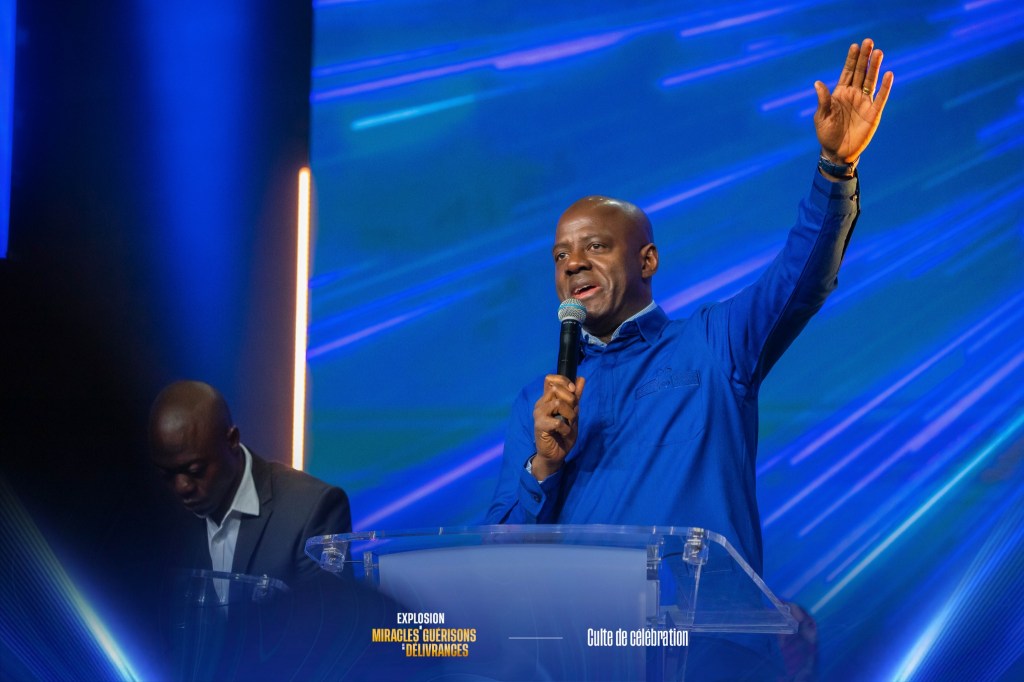
A significant part of the sermon focused on the personal sacrifices that believers must make. Agyinasare urged the congregation to offer their bodies as living sacrifices, as stated in Romans 12:1.
He explained that being a living sacrifice involves enduring pain and discomfort for the sake of God’s kingdom. “The only way you can be a living sacrifice is to bind yourself with cords unto the horns of the altar of God,” he said, emphasizing the need for total commitment and surrender to God.
Holiness and Acceptability

The Archbishop stressed that not all sacrifices are acceptable to God. He cited Genesis 4:3-5, where God accepted Abel’s offering but rejected Cain’s. He explained that sacrifices must be holy and pleasing to God.
“You can’t offer yourself a sacrifice to God as a Christian and live in sin,” he admonished. He called for a life of holiness and integrity, stating that only such sacrifices are acceptable to God.
The Call to Action
In concluding his sermon, Archbishop Agyinasare called on the congregation to repent of their sins and offer their lives to Jesus. He led a prayer for those who wanted to accept Christ as their Savior, emphasizing the importance of a transformed life.
“To give your life to the Lord means accepting Christ as your Savior. To accept Christ, you have to repent of your sins,” he stated.
Conclusion

Archbishop Charles Agyinasare’s sermon on The Power of Sacrifice was a profound reminder of the central role of sacrifice in the Christian faith.
Through scriptural references and personal testimonies, he illustrated the transformative power of Jesus’ sacrifice and the importance of personal sacrifice in the life of a believer.
His message was a call to holiness, commitment, and a deeper understanding of the cost of discipleship. As the congregation left the service, they were undoubtedly inspired to live lives of sacrifice, fully dedicated to God and His kingdom.
Discover more from Living Our Bible
Subscribe to get the latest posts sent to your email.


Leave a comment