
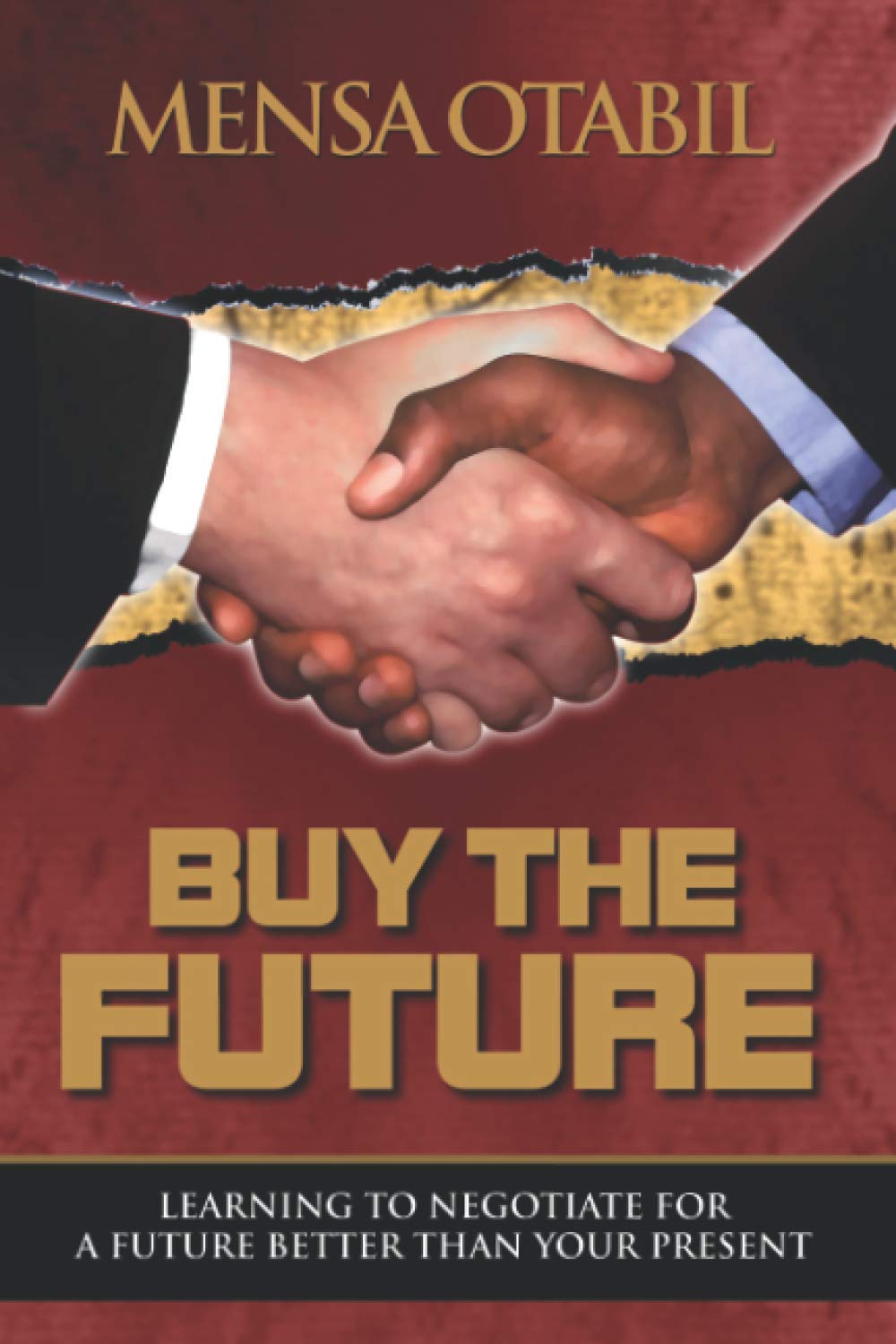
- Author: Mensa Otabil
- Title: Buy the Future: Learning to Negotiate for a Future Better Than Your Present
- Publisher: International Central Gospel Church
- City: Accra, Ghana
- Year: 2002
Overall Message
The book Buy the Future by Mensa Otabil brings to the fore the importance of making strategic choices and adopting a forward-thinking mindset to secure a better future.
It uses the biblical story of Esau and Jacob as a metaphor to illustrate how different paradigms and value systems can lead to different life outcomes.
The book encourages readers to adopt a “Jacob paradigm,” which involves planning, innovation, and valuing long-term gains over immediate gratification.
Chapter Summaries
Introduction: The introduction sets the stage by discussing the biblical story of Esau and Jacob. It highlights how their different choices and value systems led to vastly different outcomes, serving as a metaphor for how individuals and nations can shape their destinies through their paradigms.
Chapter 1: A Tale of Two Paradigms: This chapter introduces the story of Esau and Jacob, illustrating how individuals with similar beginnings can develop different value systems and make distinct choices that shape their destinies. The chapter emphasises the importance of understanding and choosing the right paradigm to achieve success.
Chapter 2: The Field Man and the Tent Man: The contrasting lifestyles of Esau, the hunter, and Jacob, the tent-dweller, are explored. Esau’s short-term, consumption-oriented approach is contrasted with Jacob’s long-term, cultivation-focused mindset. The chapter highlights the benefits of planning and nurturing resources.
Chapter 3: Who is Stronger? This chapter discusses the concept of strength in terms of value systems, arguing that true strength lies in the ability to innovate and plan for the future. It encourages readers to adopt a mindset that prioritises long-term success over immediate gains.
Chapter 4: The Hungry Hunter: The story of Esau selling his birthright for a meal is examined, illustrating the dangers of prioritising immediate needs over future potential. The chapter emphasises the importance of valuing and investing in one’s future.
Chapter 5: Jacob Negotiates with His Prepared Stew: This chapter delves into the negotiation between Esau and Jacob, highlighting the importance of strategic thinking and planning. It shows how Jacob’s foresight allowed him to secure a valuable future, while Esau’s shortsightedness cost him dearly.
Chapter 6: Do You Understand What You Just Signed? The focus here is on the importance of understanding the long-term implications of one’s choices and agreements. The chapter warns against making hasty decisions without fully comprehending their impact on the future.
Chapter 7: The Real Cost of Jacob’s Stew: This chapter explores the consequences of Esau’s decision to sell his birthright. It discusses how short-term thinking can lead to long-term losses and emphasises the need for careful consideration of one’s choices.
Chapter 8: Don’t Go Too Far for Your Goats: The chapter contrasts Esau’s and Jacob’s approaches to securing their futures. It highlights the efficiency and effectiveness of planning and using available resources wisely, as demonstrated by Jacob.
Chapter 9: The Blessing of the Birthright: This chapter discusses the blessings that come with the birthright, such as divine favour, abundance, and leadership. It emphasises the importance of being prepared to receive and maximise opportunities.
Chapter 10: When Esau Becomes Jacob: The chapter explores the potential for transformation and change. It encourages readers to break free from limiting paradigms and adopt a mindset that prioritises long-term success and innovation.
Chapter 11: Conclusion: The final chapter reinforces the book’s message about the importance of strategic thinking and planning for a better future. It encourages readers to adopt a Jacob paradigm, emphasising the value of foresight, innovation, and long-term planning in achieving success and fulfilment.
Conclusion
The conclusion reinforces the book’s message about the importance of strategic thinking and planning for a better future.
It encourages readers to adopt a Jacob paradigm, emphasising the value of foresight, innovation, and long-term planning in achieving success and fulfilment.
Discover more from Living Our Bible
Subscribe to get the latest posts sent to your email.


Leave a comment