
Introduction
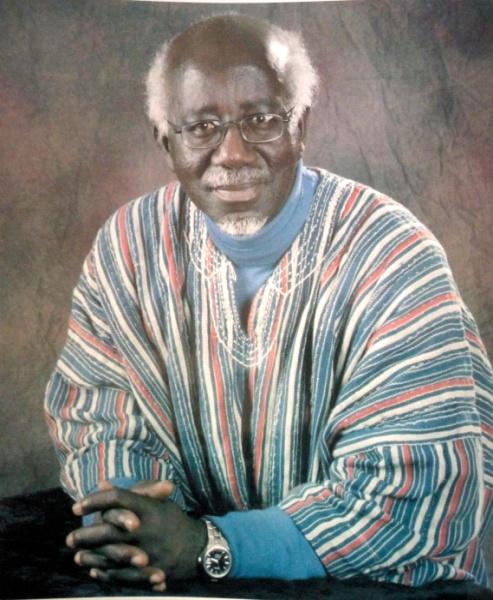
Rev. Prof. Kwame Bediako, a renowned Ghanaian theologian and scholar, made significant contributions to African Christian theology.
His life’s work focused on integrating African cultural identity with Christian faith, challenging the notion that Christianity is inherently Western.
Bediako’s scholarship and ministry were deeply rooted in his belief that African Christianity should be both authentically African and thoroughly Christian.
This article explores his early life, academic journey, theological contributions, and enduring legacy.
Early Life and Education
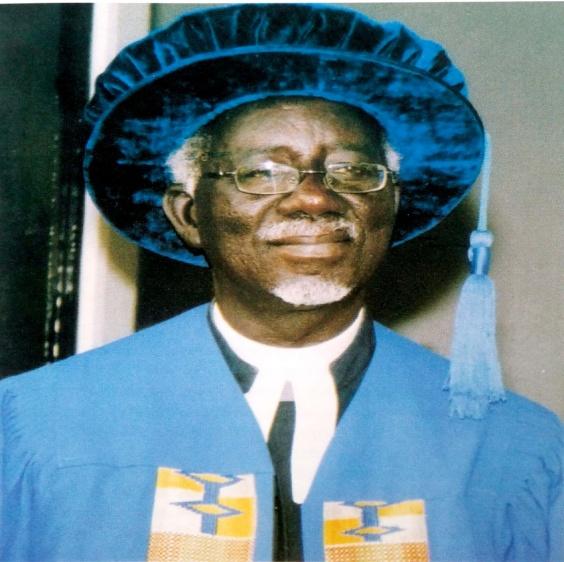
Kwame Bediako was born on July 7, 1945, in Akropong, Ghana, into a Presbyterian family. His upbringing in a Christian household, coupled with his grandfather’s influence as a catechist and evangelist, laid the foundation for his spiritual journey.
Despite this, Bediako became an atheist during his university years, influenced by French existentialist philosophy while studying African francophone literature at the University of Bordeaux.
However, a profound personal conversion to Christianity during his time in France redirected his life’s path towards theology and ministry.
Academic Pursuits and Conversion

Bediako’s academic journey was marked by a radical conversion experience that led him to embrace Christianity anew.
He completed his first doctorate in French literature at the University of Bordeaux, where he also met his future wife, Gillian Mary.
This period was transformative, as Bediako shifted his focus from literature to theology, recognising scholarship as a form of missionary vocation.
He pursued a second doctorate in theology at the University of Aberdeen under the mentorship of Andrew Walls, exploring the intersection of culture and Christian thought in both the Greco-Roman world and modern Africa.
Ministry and Theological Contributions

Bediako’s ministry was characterised by a commitment to contextualising Christianity within African culture.
He served as the first rector of the Akrofi-Christaller Institute for Theology, Mission, and Culture in Ghana, an institution dedicated to integrating African cultural identity with Christian theology.
His theological work emphasised the importance of vernacular languages in developing Christian theology and highlighted the parallels between early Christian and African cultural contexts.
Bediako’s seminal work, “Theology and Identity: The Impact of Culture Upon Christian Thought in the Second Century and in Modern Africa,” explored how early Christian theologians engaged with Hellenistic culture and how African theologians could similarly engage with their cultural heritage.
He argued for the conversion and renewal of African culture through the lens of Christianity, asserting that African Christians could find their identity in both their cultural past and their Christian faith.
His other landmark theological works include the following aside the many scholarly articles:
- Bediako, Kwame (1999). Theology and Identity: The Impact of Culture Upon Christian Thought in the Second Century and in Modern Africa.
- Bediako, Kwame (1995). Christianity in Africa: The Renewal of a Non-Western Religion. Edinburgh: Edinburgh University Press.
- Bediako, Kwame (2000). Jesus and the Gospel in Africa: History and Experience. Maryknoll, NY: Orbis Books.
Establishment of the Akrofi-Christaller Institute

The Akrofi-Christaller Institute, founded by Bediako, became a centre for theological research and education in Africa.
It provided a platform for African scholars to engage in theological reflection that was deeply rooted in African cultural realities.
The institute’s programs emphasised the integration of gospel and culture, aiming to produce scholars who viewed their academic pursuits as a form of Christian service.
Bediako’s vision for the institute was to foster a community of scholars committed to exploring the intersection of Christianity and African culture.
Legacy and Impact

Kwame Bediako’s legacy extends beyond his scholarly contributions. He played a pivotal role in establishing networks such as the African Theological Fellowship and the International Fellowship of Evangelical Mission Theologians, which connected scholars across Africa and the broader Two-Thirds World.
His work challenged Western theological institutions to recognise African theology as an essential component of global Christian discourse.
Bediako’s influence is evident in the lives of his students and colleagues, many of whom continue to advance his vision of an integrated African Christian identity.
His writings, though few, remain influential in theological circles, and his institute continues to be a beacon of Christian scholarship in Africa.
The annual Kwame Bediako Memorial Lecture and the Stott-Bediako Forum are testaments to his enduring impact on theological thought and practice.
Conclusion
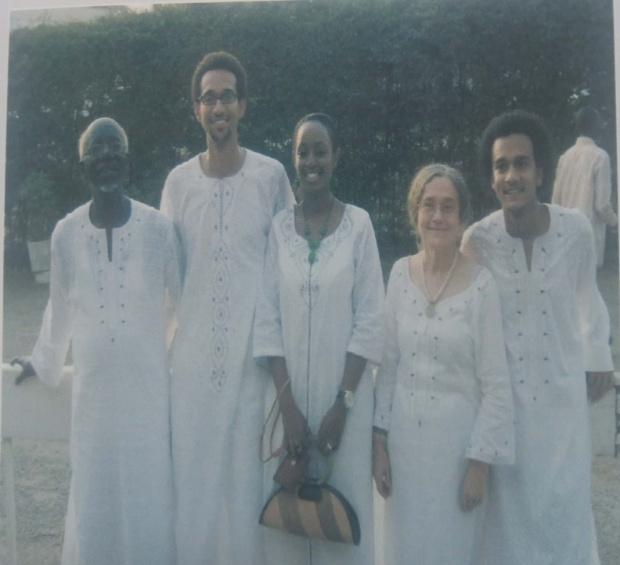
Rev. Prof. Kwame Bediako’s life and work exemplify the transformative power of integrating cultural identity with Christian faith.
His contributions to African Christian theology have paved the way for a deeper understanding of how Christianity can be authentically African while remaining universally relevant.
Bediako’s legacy lives on through the institutions he founded, the networks he established, and the countless individuals he inspired.
His vision for a Christianity that embraces cultural diversity continues to shape the global theological landscape, affirming the unique role of African Christianity in the broader Christian narrative.
References:
- https://www.dbu.edu/advent/4/day-22.html
- https://langhamliterature.org/kwame-bediako
- https://zondervan.typepad.com/zondervan/2008/06/kwame-bediako.html
- https://en.wikipedia.org/wiki/Kwame_Bediako
- https://dacb.org/stories/ghana/bediako-kwame/
- https://www.inspirationalchristians.org/local-heroes/kwarme-bediako-biography/
- https://www.youtube.com/watch?v=GNEaSkSsB50&t=4s&pp=ygUTcHJvZi4ga3dhbWUgYmVkaWFrbw%3D%3D
Discover more from Living Our Bible
Subscribe to get the latest posts sent to your email.


Leave a comment