
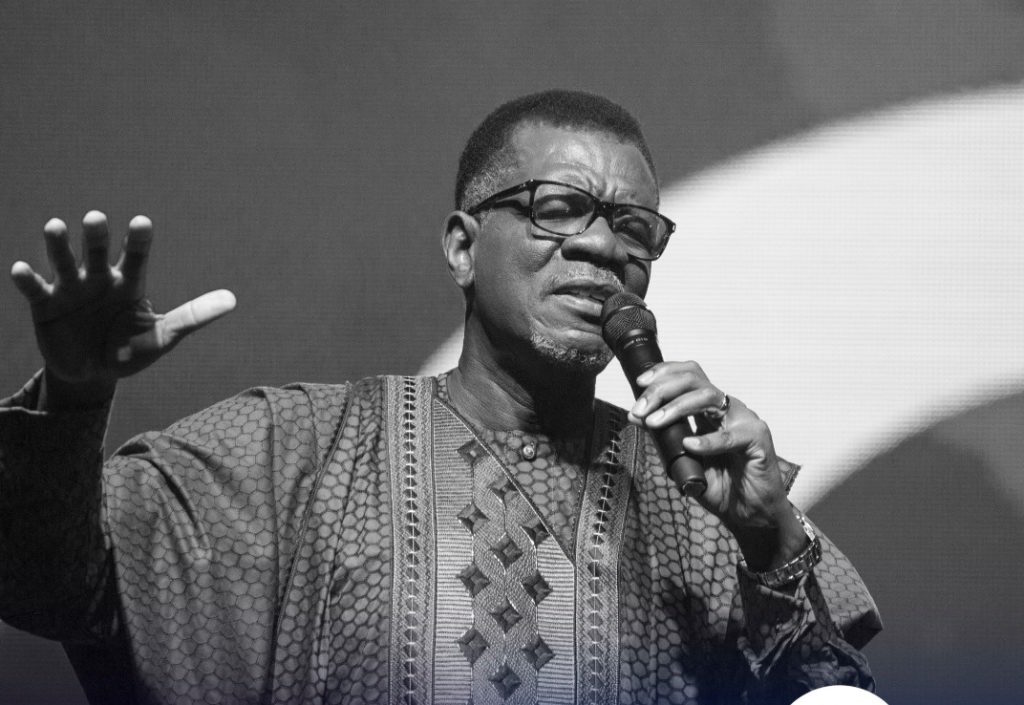
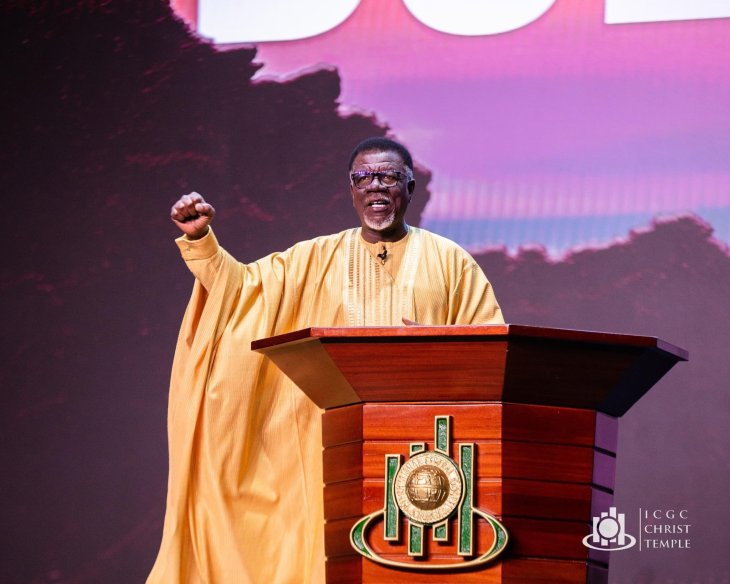
In a world where timidity is often mistaken for goodness, Pastor Mensa Otabil challenges this notion with a bold declaration: a pastor must be assertive and confident, not timid. During his sermon titled “Take Bold Steps (1)” at ICGC Christ Temple East in Teshie, Accra, he passionately explained that the qualities that define true boldness—defiance, confidence, and a sense of power—are essential for anyone called to lead God’s people.
Pastor Otabil began by establishing the foundation of Christian confidence. “As Christians, our confidence is in the Lord,” he proclaimed. “Our confidence is in what God has told us. Our confidence is in what God has put in our hearts.”
This confidence, he explained, is not just a feeling but a firm assurance rooted in the promises of God. “If God says we can do it, we can do it,” he emphasized. This divine assurance emboldens believers to step out with a spirit of resistance, defying the odds and confronting challenges head-on.
He elaborated on the three key aspects of boldness: defiance, confidence, and power. “So when we say that somebody has boldness, it means they are defiant, they are confident, and they have a sense of power. They don’t feel weak in themselves,” he said.
Pastor Otabil highlighted that these traits are often misunderstood, particularly in cultures where boldness is equated with troublemaking. “Now, normally in our Ghanaian culture, and I’m sure in many other cultures, anybody who is bold is called troublesome. Is that not so?” he asked the congregation, drawing nods of agreement.
Reflecting on a past experience, Pastor Otabil recounted an encounter that crystallised his understanding of the difference between timidity and true pastoral leadership. “I remember years ago, the church was quite young at that time, and somebody I had known in the past, an old schoolmate of mine, came to me and said, ‘Pastor, you know, your church, I have a brother.
I want him to become a pastor in your church.'” Intrigued, Pastor Otabil listened as the woman described her brother as the perfect pastor material. “She said, ‘As we say in Fante or Akan, he is cool, he doesn’t shake himself. Whatever you tell him, he will do it. He doesn’t cause trouble.'”
However, rather than being impressed, Pastor Otabil was deeply concerned. “And I said, maybe some churches want that kind of person as pastor. But if you’re going to be a pastor to lead God’s people, you cannot be a timid person. You have to be bold. You have to be assertive. You have to know who you are because you are a leader of people. Who wants a leader who is timid? No.”
His words resonated with the congregation, challenging their preconceived notions of what it means to be a good leader. Pastor Otabil further elaborated on the cultural misconceptions surrounding boldness and timidity. “But many of us, what we call a good person is the opposite of bold. Our children who are bold, we think they are troublesome. The ones who are timid, they are the good ones.”
Pastor Otabil acknowledged that while there is value in being respectful, courteous, and considerate, these qualities should not be confused with timidity. A true leader, especially one tasked with shepherding God’s people, must possess the boldness to stand firm in their convictions, the confidence to lead with authority, and the power to act decisively.
In closing, Pastor Otabil left his congregation with a powerful reminder: “A pastor must be bold and assertive. You cannot lead God’s people if you are timid. Boldness is not about causing trouble; it’s about having the courage to fulfil God’s call on your life.” His message was clear—timidity may be praised by some, but in the Kingdom of God, it is boldness that truly leads the way.
Discover more from Living Our Bible
Subscribe to get the latest posts sent to your email.


Leave a comment