

Introduction
Celebrating Communion is a vital part of the Christian faith. It is not merely a religious tradition but an instruction from Jesus Christ, meant to remind believers of His sacrifice.
During a sermon at ICGC Christ Temple in Teshie-Accra, Pastor Mensa Otabil, the General Overseer of ICGC, emphasized the deep spiritual significance of Communion.
He explained that every time Christians partake of the Lord’s Table, they are not just remembering Christ’s death but are making a powerful proclamation of His sacrifice and its ongoing relevance in their lives.
The Importance of Communion in Christian Worship

Pastor Otabil began by underscoring that celebrating Communion is an act of obedience to Jesus’ command, who told His disciples, “Do this in remembrance of me” (Luke 22:19). He explained that Communion is rooted in the Jewish Passover, which marked Israel’s deliverance from Egypt.
Just as the Passover symbolized God’s salvation through the blood of the lamb, Jesus instituted a new Passover at the Last Supper, giving the bread and wine new meaning. The bread now represents His body, and the wine symbolizes His blood.
This redefinition by Christ, Pastor Otabil explained, instituted a new covenant for believers. “Communion is critical to our Christian faith,” he stressed.
Whether taken lightly or viewed as a mystical act by some, its true significance lies in what it represents — a continual remembrance of Christ’s sacrifice and the proclamation of His death.
Proclaiming the Lord’s Death: A Deeper Understanding

Drawing from 1 Corinthians 11:23-26, Pastor Otabil emphasized that every time believers partake in Communion, they proclaim the Lord’s death until He comes again. He unpacked the meaning of the word “proclaim,” using the Greek word katangelo, which means to announce, publish, or make known.
“Although we are not verbally making a statement, the act of taking Communion is a proclamation in itself,” Pastor Otabil explained. He likened this to a town crier in smaller communities who announces messages from the chief.
Just as the town crier makes proclamations for all to hear, believers are announcing Christ’s sacrifice when they participate in Communion. This proclamation, he noted, serves as both a reminder of Christ’s past death and a declaration of His future return.
Looking Backward and Forward: The Dual Nature of Communion
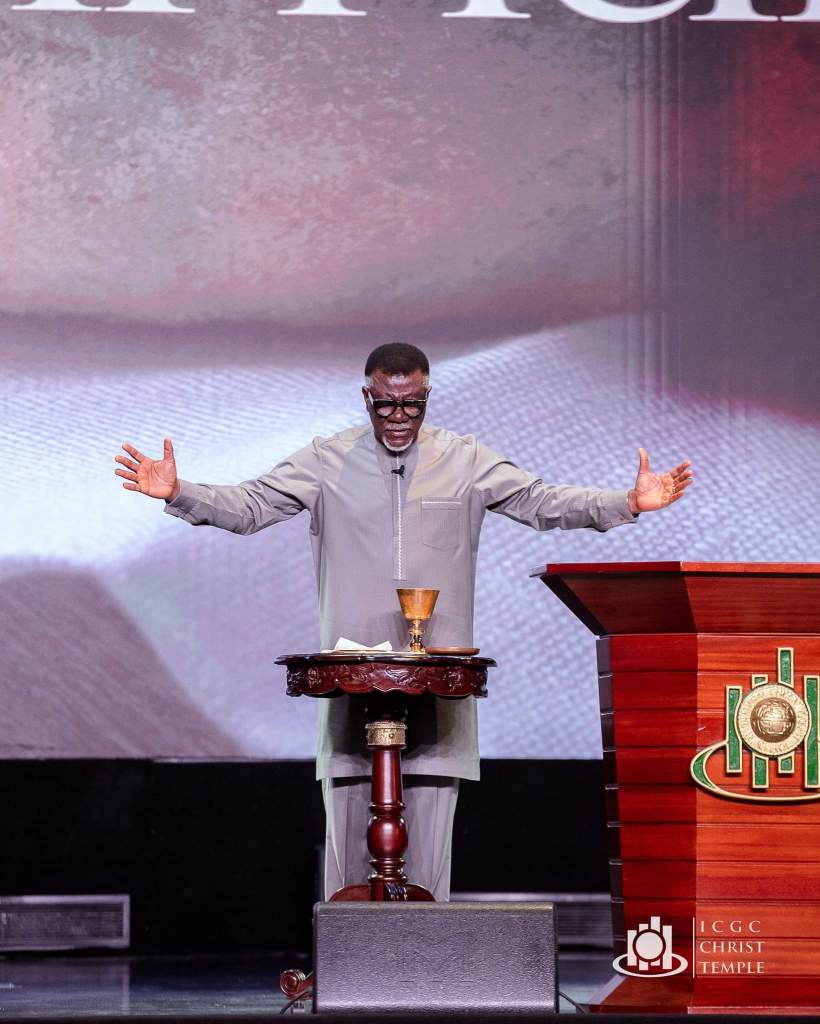
Pastor Otabil further explained that Communion has both a backward and forward-looking aspect. “We look back to the Lord’s death and His suffering,” he said, highlighting that the breaking of the bread symbolizes Jesus’ broken body. His suffering was not for Himself but for humanity, and in His brokenness, believers find healing.
He also mentioned that Communion serves as a forward-looking proclamation, reminding Christians that Jesus is coming again. As such, each celebration of the Lord’s Table is a proclamation of hope for Christ’s return.
Conclusion
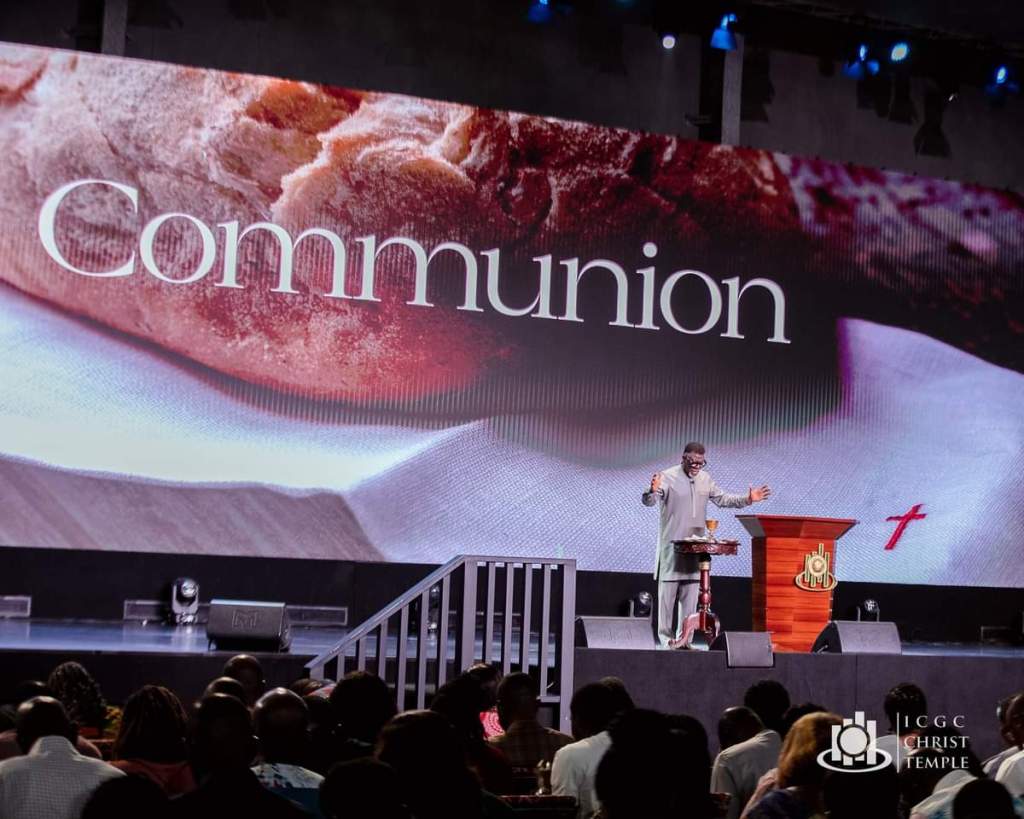
Pastor Mensa Otabil’s sermon on the significance of Communion reminds believers of the profound spiritual meaning behind this sacred act. Communion is not just a routine ritual but a proclamation of Christ’s death and His promise to return.
Through it, Christians are reminded of their salvation and their hope in the future, strengthening their faith as they await the fulfillment of God’s promises. As Pastor Otabil said, “We are continuing a chain of remembrance that must never be broken.”
Discover more from Living Our Bible
Subscribe to get the latest posts sent to your email.


Leave a comment