
Introduction
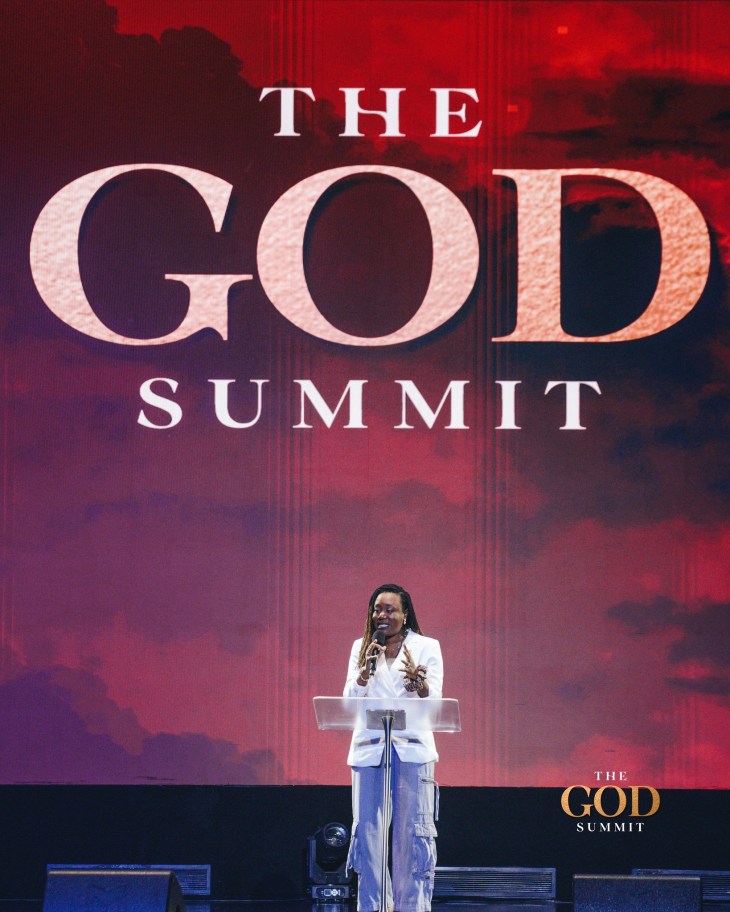
The God Summit, hosted by Pastor Mensa Otabil at ICGC Christ Temple East in Teshie-Accra, brought together believers to explore deep theological discussions.
One of the key speakers, Rev. Nhyira Otabil-Allotey, addressed the vital topic of the inerrancy of scripture, making a compelling case for the Bible’s trustworthiness.
Understanding Inerrancy: What It Means
Rev. Otabil-Allotey began by explaining the concept of inerrancy, which means the Bible is without error.
According to her, “Inerrancy is the belief in the total truthfulness and reliability of God’s words.” While critics often raise objections to this doctrine, she outlined four primary concerns and offered biblical reasoning in support of inerrancy.
Addressing Common Objections to Inerrancy
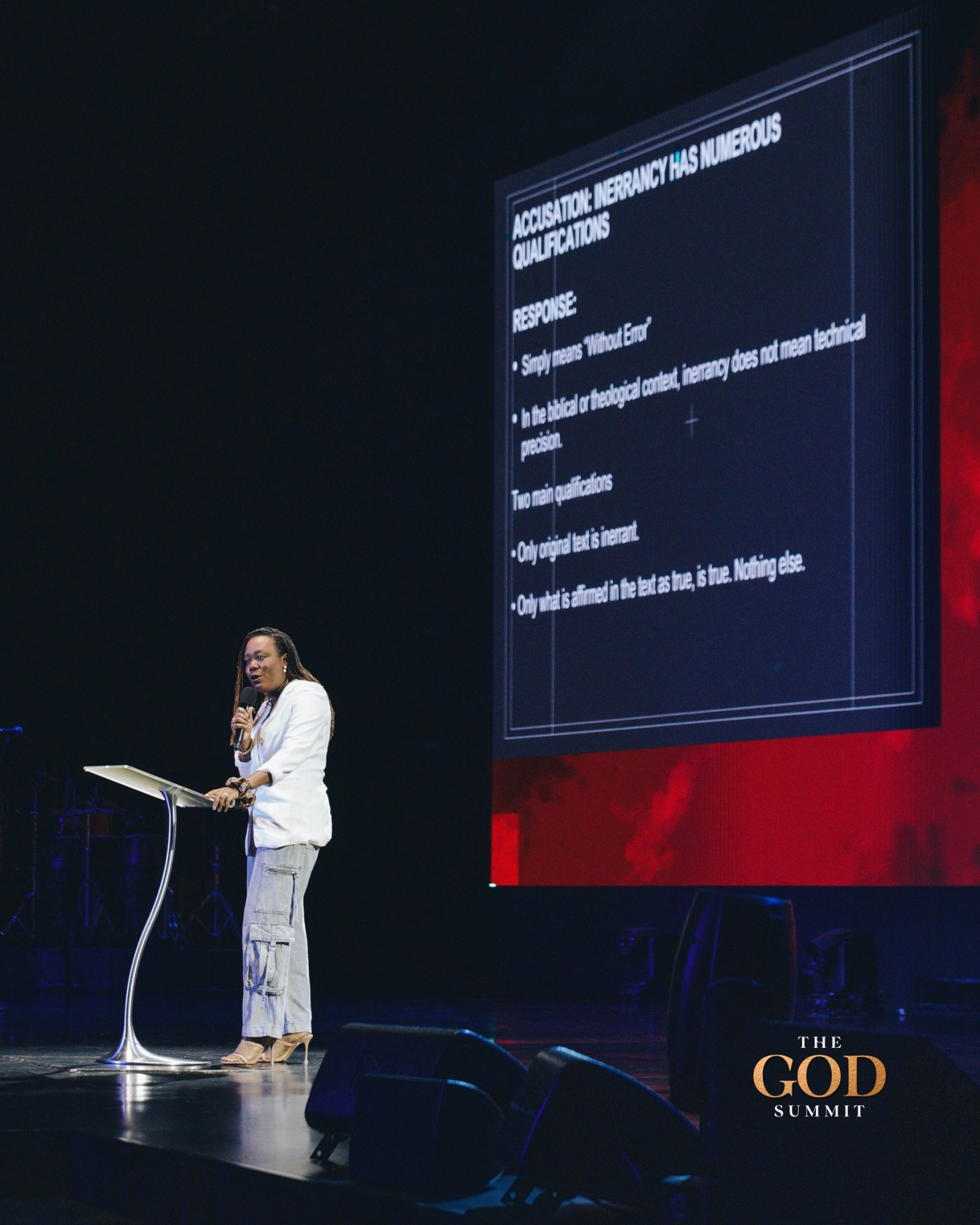
The first objection Otabil-Allotey addressed was the claim that inerrancy is overly technical or complicated. She firmly disagreed with this accusation, stating, “Inerrancy means without error,” emphasizing that the term’s meaning is clear and simple when understood in its proper context.
She explained that critics often try to qualify the term, yet these qualifications only serve to clarify its true meaning rather than complicate it. The main qualifications, she pointed out, are that only the original texts are inerrant, and only what is affirmed as true in the original text is indeed true.
The second objection involves the absence of original manuscripts of the Bible. Nhyira refuted this concern, noting that while the originals may no longer exist, we still have reliable copies.
She drew a parallel to the Ghanaian constitution, explaining, “If the original copy of the Ghanaian constitution was lost, would Ghana cease to be a nation? No! Once there was an original copy, and we have good copies of it, there isn’t a real problem.”
The Role of Human Authors in an Inerrant Bible
Another common objection is that the Bible cannot be inerrant because it was written by human beings who are fallible.
Otabil-Allotey offered a thoughtful response, saying, “Humans do not always err. Humans can and do write books without error,” using math books as an example of human-produced error-free texts.
She went on to explain that the doctrine of biblical inspiration allows for the possibility that God, who cannot err, can use imperfect human writers to convey a perfect message.
Addressing Alleged Errors in the Bible

Rev. Otabil-Allotey also responded to accusations that the Bible contains errors. She explained, “Most of these claims confuse difficulty with impossibility,” emphasizing that just because something is difficult to understand does not mean it is an error.
She further suggested that many supposed contradictions have been proven wrong over time, asserting, “The allegations reveal that it is rather critics who have made a mistake, not the Bible.”
Biblical Truths Supporting Inerrancy
In defending inerrancy, Otabil-Allotey highlighted several biblical truths. She referenced Hebrews 6:18, which says it is “impossible for God to lie,” and Titus 1:2, which describes a God who “cannot lie.” If God is truth and the Bible is His Word, it logically follows that the Bible cannot err.
As Jesus affirmed in John 10:35, “The Scripture cannot be broken,” underscoring the unbreakable authority of God’s Word.
Addressing Difficulties in Scripture: The Example of Hosea
One example of a perceived difficulty in scripture is found in Hosea 1:2, where God commands the prophet Hosea to marry a woman who would later be unfaithful. Critics argue that this contradicts other biblical passages condemning adultery.
However, Otabil-Allotey offered a solution, explaining that this command was an object lesson meant to illustrate Israel’s spiritual idolatry.
She clarified that God’s command to Hosea was not an endorsement of immorality but rather a symbolic act that would ultimately demonstrate God’s faithfulness, even when His people were unfaithful.
Conclusion: The Bible’s Unerring Authority

Rev. Otabil-Allotey concluded by stressing the importance of believing in the Bible’s inerrancy. “If the Bible erred in anything, it would mean that God has erred also,” she cautioned, emphasizing the severe implications for our understanding of God’s character and truth.
She concluded by affirming, “God does not make mistakes, and our premise for believing that God does not make mistakes is the truth.”
This powerful presentation at The God Summit reaffirmed the unshakable truth that the Bible, as God’s Word, is without error, trustworthy, and unchanging.
Discover more from Living Our Bible
Subscribe to get the latest posts sent to your email.


Leave a comment