
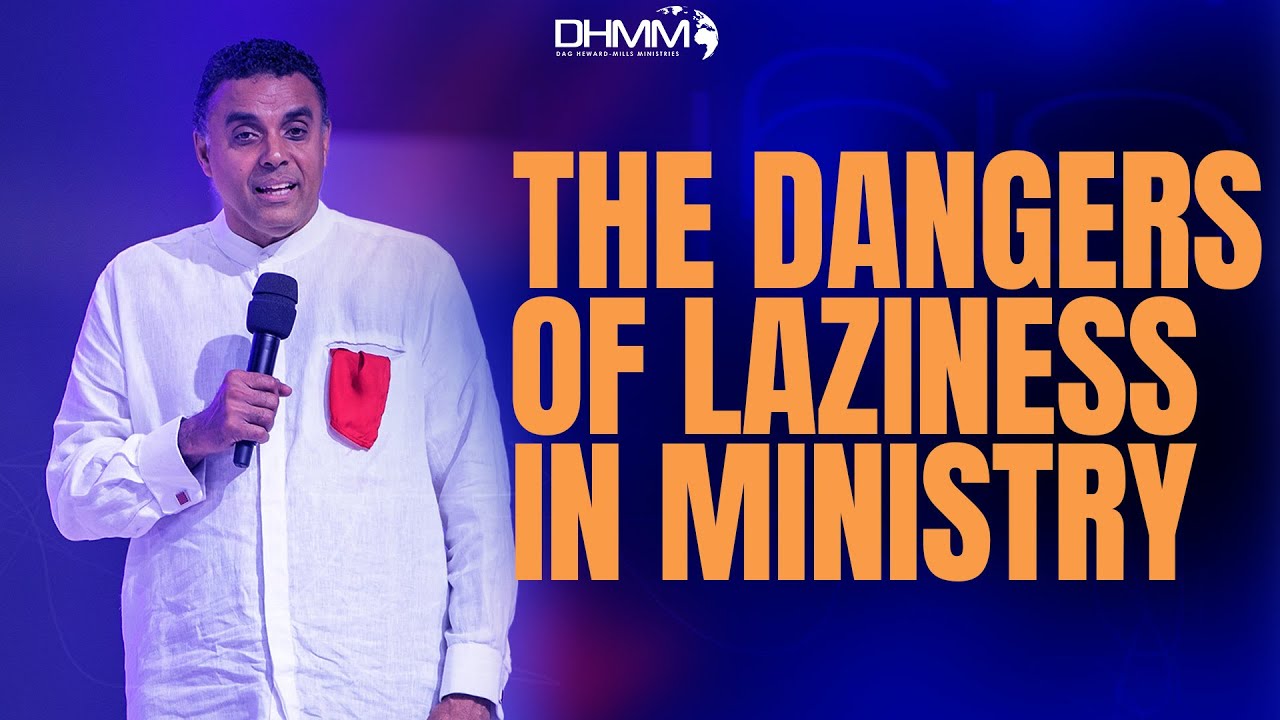
Ministry requires diligence, focus, and an unwavering commitment to God’s calling. In a recent sermon, Bishop Dag Heward-Mills highlighted the dangers of laziness in ministry, describing it as both “wickedness” and a significant barrier to fruitfulness.
Bishop Dag emphasized the critical role of effort and initiative, remarking, “Ministry is self-generated. If I say I’m going for a crusade on Monday, who generated it? It is the pastor who generates the ministry.” This underscores the responsibility of ministers to actively plan, organize, and execute their pastoral duties without external prompts. Laziness, as he puts it, leads to stagnation, not just in personal growth but also in the spiritual nourishment of the congregation.
Comparing ministry to daily necessities, Bishop Dag posed a challenging question: “How many people eat once a week?” He pointed out that a pastor who preaches infrequently and neglects additional activities like prayer meetings, all-night services, or evangelism reflects a lax attitude that hinders church growth. According to him, “Look at your church; it’s so small. It’s because you are too relaxed in ministry.”
Beyond words, Bishop Dag exemplifies hard work with his packed schedule of crusades and church commitments. His relentless pursuit of ministry tasks across different regions is a model for ministers to emulate.
In conclusion, the message is clear: laziness has no place in ministry. Every pastor and lay minister is encouraged to rise, work diligently, and shepherd their congregation with energy and love. As Bishop Dag urged, “Rise up and work hard. The people in your town would have been so blessed if only you had the mind to feed the sheep and preach daily.”
Discover more from Living Our Bible
Subscribe to get the latest posts sent to your email.


Leave a comment