
Introduction
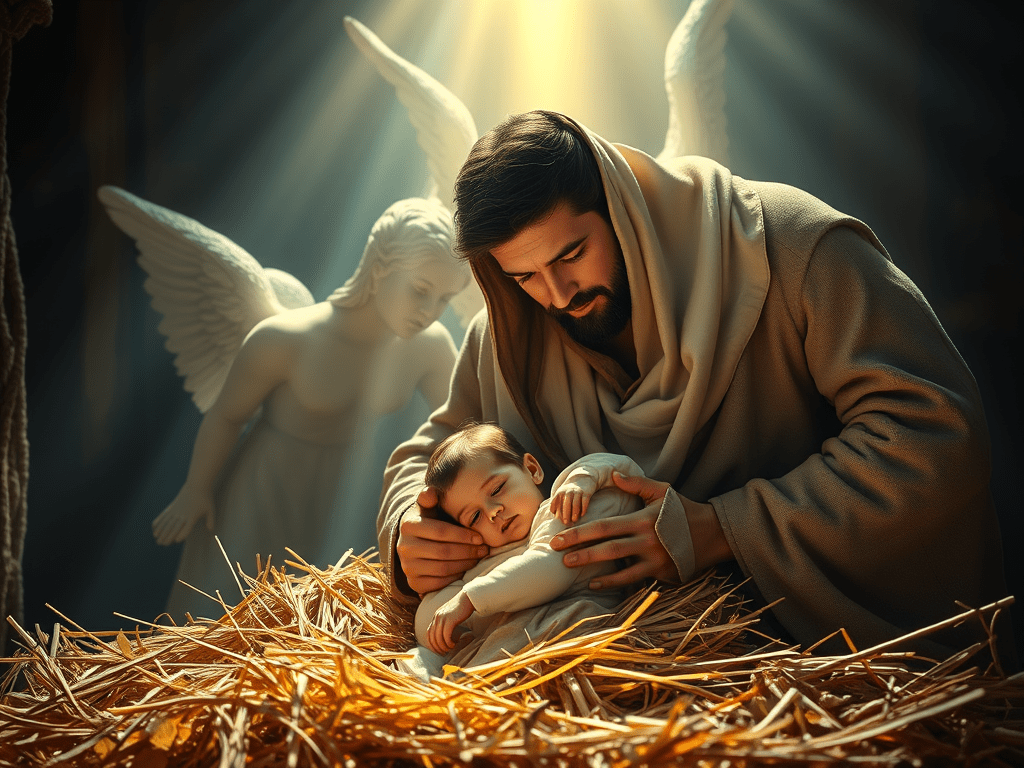
The birth of Jesus Christ is a cornerstone of the Christian faith, not just as a historical event but as a profound declaration of God’s redemptive plan. The Bible plainly states the purpose of Christ’s birth: “He will save His people from their sins” (Matthew 1:21).
While the actual date of His birth has often been debated, the focus of Christmas is not on the exact timing but on the significance of the event.
After all, it wouldn’t be an issue in heaven or on earth if we spent the entire year celebrating the King of Glory, for He is the very essence of our identity as Christians.
Today, we reflect on the divinity of Jesus Christ as revealed in Philippians 2:5–7 (NKJV):
“Let this mind be in you which was also in Christ Jesus, who, being in the form of God, did not consider it robbery to be equal with God, but made Himself of no reputation, taking the form of a bondservant, and coming in the likeness of men.”
From this passage, two profound truths about Jesus emerge that are central to our understanding of Christmas:
1. “In the Form of God”
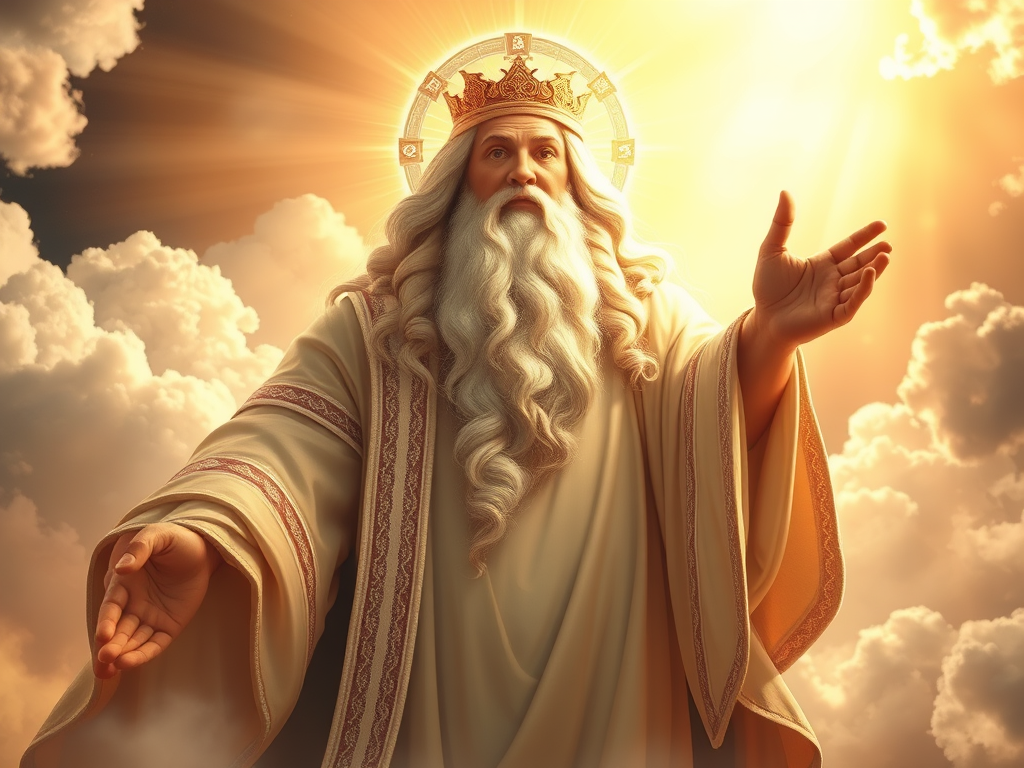
The declaration that Jesus was “in the form of God” is extraordinary. It elevates our understanding of His identity far beyond mere humanity. While humanity was created *in the image of God* (Genesis 1:26), Jesus *is in the form of God.* This means He possesses the same nature, essence, and attributes as God Himself.
In John 10:30, Jesus openly declared, *“I and My Father are one.”* This unity underscores His divinity and oneness with the Father. Jesus is not an imitation or a representative; He is fully God. As the Alpha and the Omega, He is the beginning and the end, existing eternally (Revelation 1:8). When we see Jesus, we are, in essence, seeing God.
2. “Equal with God”
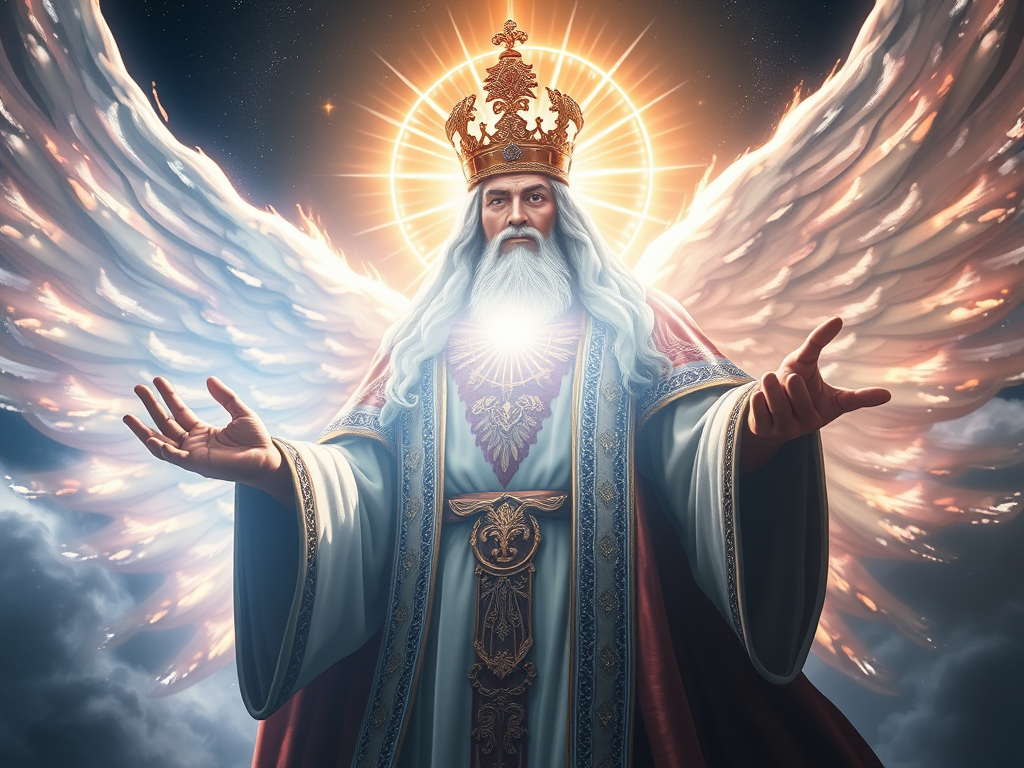
The second profound truth is that Jesus is “equal with God.” This equality implies that Jesus shares the same divine authority and power as God the Father. Being equal with God means that He can do all that God does. John 1 reveals that through Him, everything was made, and nothing exists that He did not create. The Trinity—the Father, Son, and Holy Spirit—was actively involved in creation (Genesis 1:1–3).
This truth is further reinforced by 2 Corinthians 5:19, where Paul states, *“God was in Christ, reconciling the world to Himself.”* Only God could undertake the monumental task of saving humanity. It was in this divine purpose that Jesus came, not just as a man but as God in flesh, to save us from our sins.
The Journey to Christmas

As we prepare to celebrate Christmas, let us meditate on this profound truth: Jesus Christ is fully divine. He is “in the form of God” and “equal with God.”
He took on human form, becoming a bondservant, so that He might reconcile us to God through His birth, life, death, and resurrection. This is the heart of Christmas—a God who became man to save mankind.
Let this truth inspire awe, gratitude, and worship in this season of joy.
Discover more from Living Our Bible
Subscribe to get the latest posts sent to your email.


Leave a comment