

Introduction
Have you ever had someone comment on how much you’ve grown physically? Growth is a natural part of life, yet it often goes unnoticed until significant changes become evident. Just as we grow physically, we are also called to grow spiritually.
Spiritual growth is not a one-time event but a continuous journey. The Christian life is meant to be dynamic, ever-changing, and ever-deepening in relationship with God. As believers, we must actively pursue spiritual maturity, making intentional efforts to draw closer to God, overcome challenges, and live a life that reflects His glory.
This article explores the essential aspects of spiritual growth, including the intentionality required, the process of transformation, and the hunger necessary for deepening our faith.
Spiritual Growth Is Intentional

Spiritual growth doesn’t happen automatically. It requires effort, discipline, and cooperation with God. Paul reminds us in Philippians 2:12-13 to “work out your salvation with fear and trembling,” emphasizing that while God enables us, we must actively engage in our spiritual development.
Like any worthwhile endeavor, growing in faith involves persistence and daily commitment. There will be failures along the way, but setbacks should not deter us. Proverbs 24:16 assures us that “the righteous man falls seven times and rises again.” True spiritual growth requires pressing forward, learning from mistakes, and continuing in faith.
Laying Aside the Old Nature

For genuine spiritual growth to take place, we must rid ourselves of behaviors and attitudes that hinder our progress. Peter advises us in 1 Peter 2:1-2 to “rid yourselves of all malice and all deceit, hypocrisy, envy, and slander of every kind” and instead “crave pure spiritual milk” to grow in salvation.
Similarly, Hebrews 12:1 urges us to “throw off everything that hinders and the sin that so easily entangles” so that we can run the race set before us. Growth requires shedding our old sinful nature and embracing the new identity we have in Christ (2 Corinthians 5:17).
Growth Is a Process
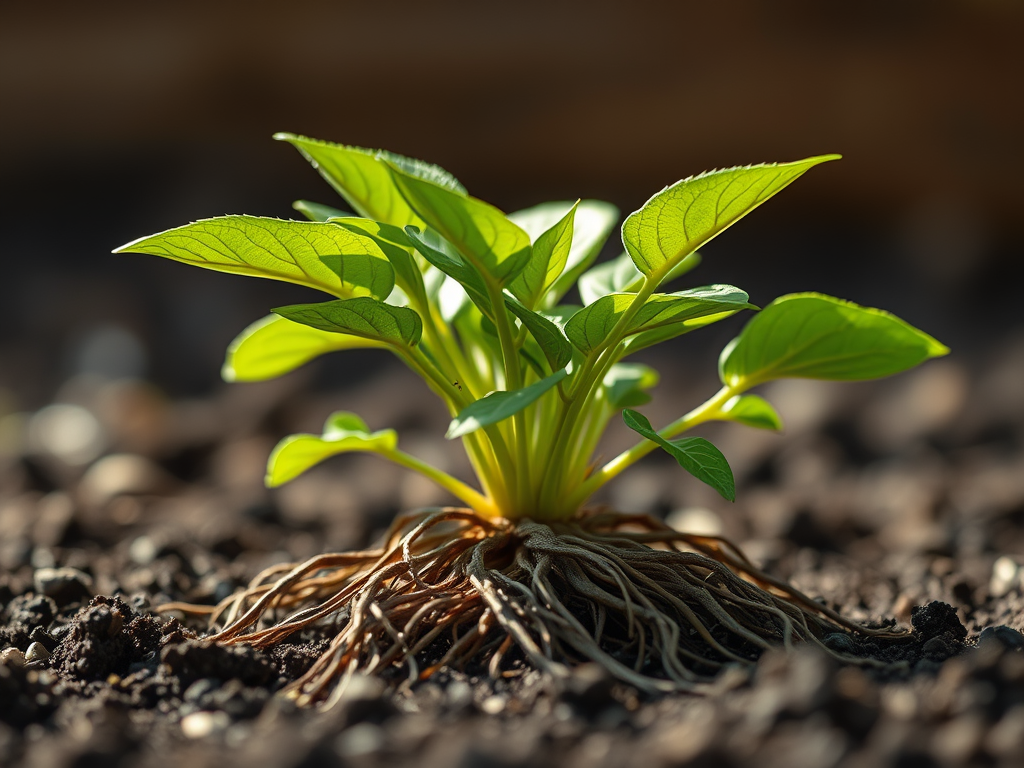
Spiritual maturity doesn’t happen overnight. Even the apostle Paul, despite his calling, needed guidance and mentorship in his early Christian walk. Ananias ministered to him immediately after his conversion (Acts 9:17-19), and Barnabas later discipled and encouraged him (Acts 11:25-26).
This highlights the importance of being part of a faith community. Proverbs 27:17 reminds us, “As iron sharpens iron, so one person sharpens another.” Surrounding ourselves with mentors and fellow believers helps facilitate growth. If you desire to mature spiritually, seek out godly counsel and accountability.
Hungering for Growth

A crucial element of spiritual growth is having a deep hunger and thirst for righteousness. Jesus declared in Matthew 5:6, “Blessed are those who hunger and thirst for righteousness, for they will be filled.” Growth in faith requires an ongoing desire to know God, study His Word, spend time in prayer, and obey His commands.
Ephesians 6:10 calls us to “be strong in the Lord and in His mighty power,” reminding us that growth involves actively pursuing strength and depth in our relationship with God.
Conclusion
Spiritual growth is a lifelong journey that requires intentional effort, discipline, and a hunger for more of God. It involves shedding old sinful habits, embracing God’s transformative power, and engaging with a supportive faith community.
As Paul encourages in Philippians 3:13-14, we must not remain stagnant but press forward, striving to reach the fullness of God’s calling. No matter where you are in your faith journey, take steps each day to grow, mature, and reflect God’s purpose more clearly in your life.
Keep pressing forward—your spiritual growth is worth the effort!
Discover more from Living Our Bible
Subscribe to get the latest posts sent to your email.


Leave a comment