
Introduction
The Charismatic Church in Africa has experienced remarkable growth and influence over the years. This movement, which took root in Ghana in the late 1960s, has been shaped by distinct strengths that have enabled its rapid expansion and deep impact.
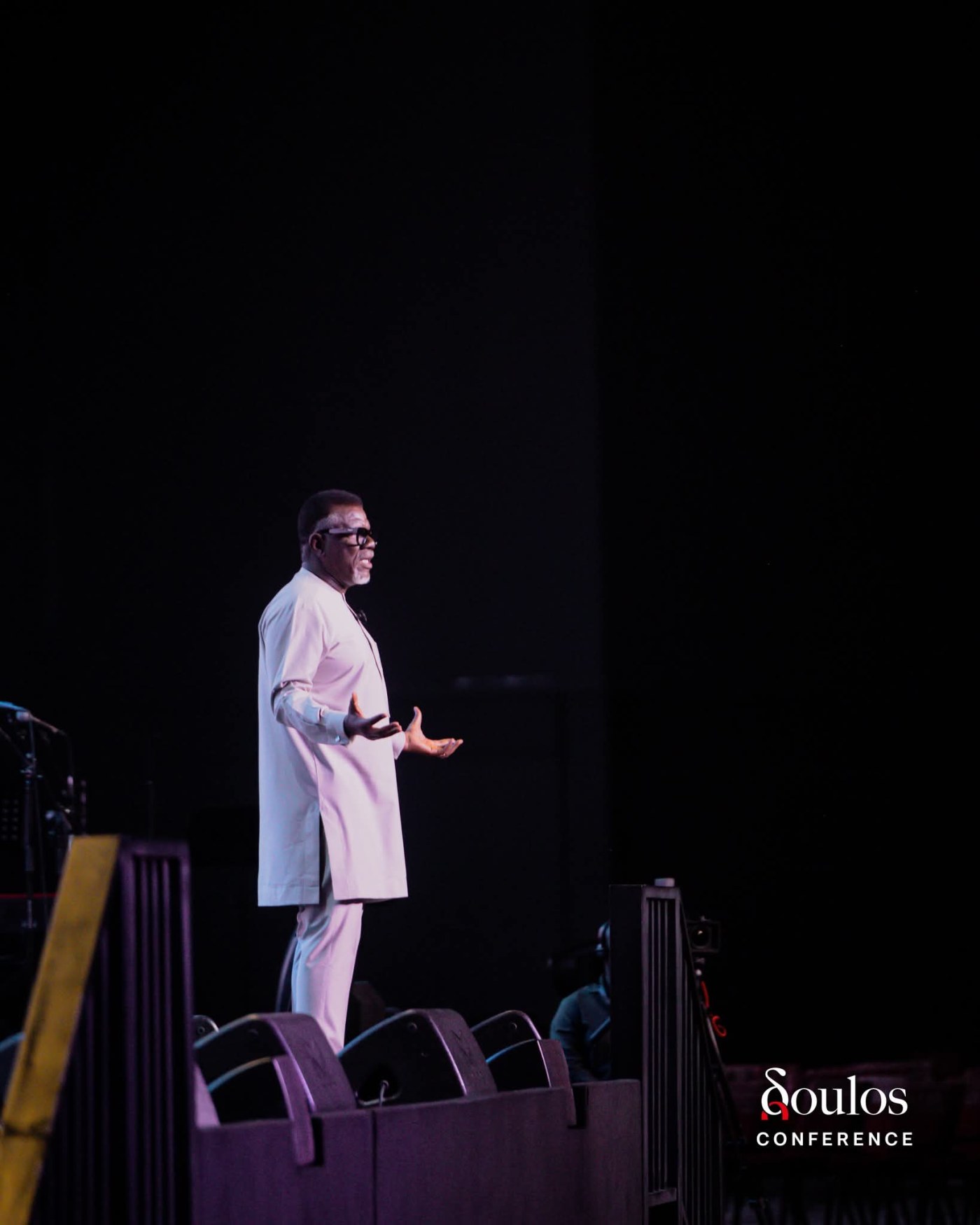
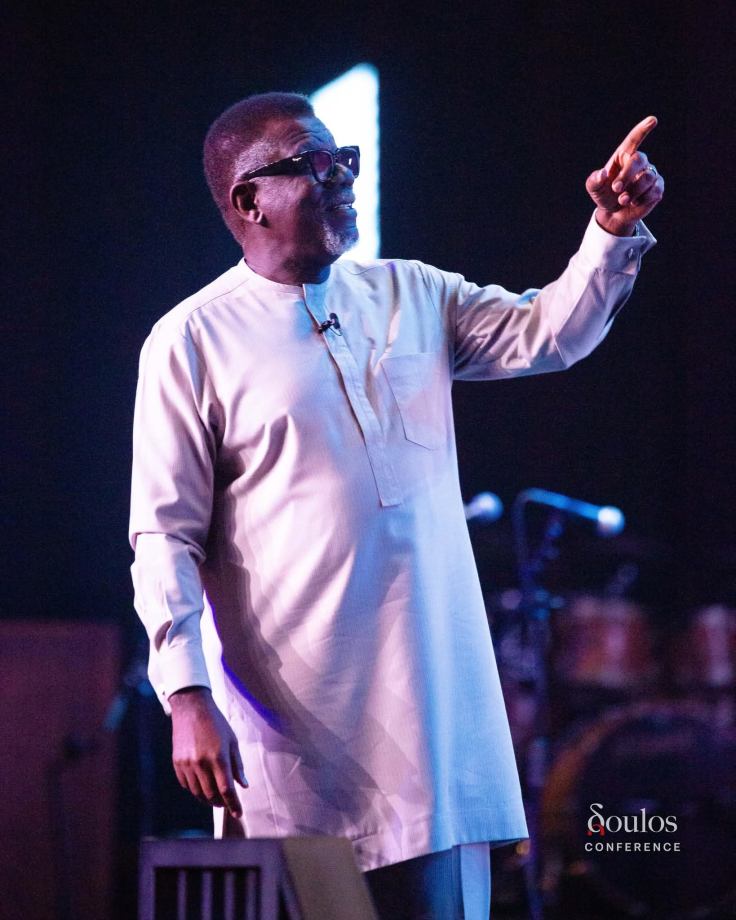
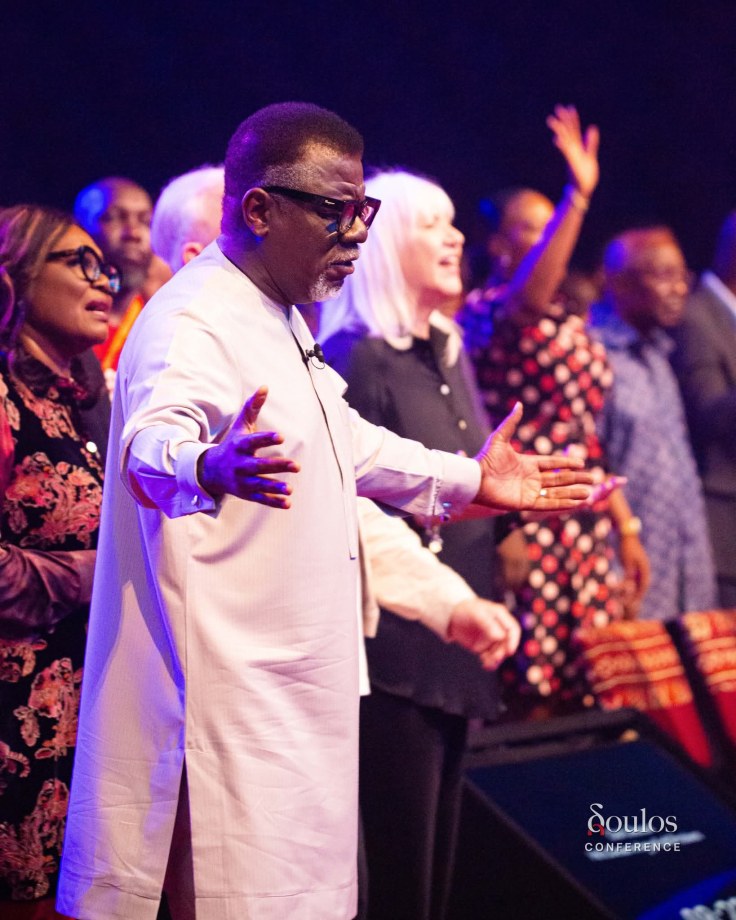
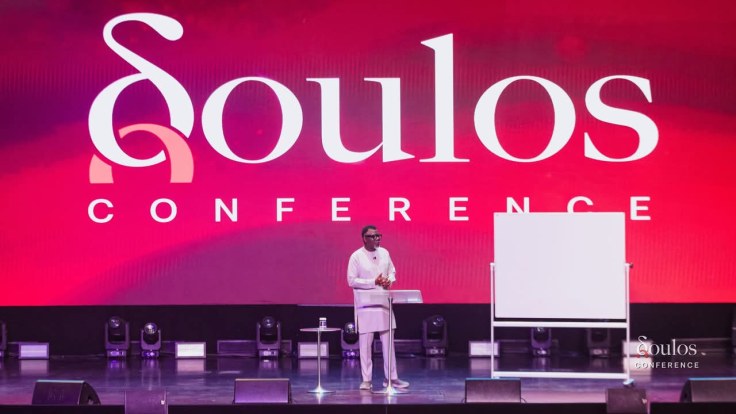
At the Doulos Conference 2025, Pastor Mensa Otabil highlighted three key strengths in his presentation titled “SWOT Analysis of the Charismatic Church in Africa” that have made the Charismatic Church a powerful force: spirituality, spontaneity, and personalisation. These elements continue to define the movement and drive its success.
1. Spirituality – Openness to the Supernatural

One of the defining strengths of the Charismatic Church is its deep spirituality and openness to the supernatural.
Pastor Otabil emphasised that this aspect has been central to the movement from its inception:
“The Charismatic Church is very strong because of its openness to the supernatural.”
This emphasis on supernatural encounters has made the movement distinct. From its early days, Charismatic meetings were marked by worship, speaking in tongues, prophecy, laying hands on the sick, and people being slain in the spirit. These experiences were not orchestrated by a single leader but were spontaneous movements of the Holy Spirit among believers.
Pastor Otabil traced the roots of the Charismatic Movement in Ghana back to the Scripture Union and the Assemblies of God Church, which helped create an environment where the Holy Spirit could freely move.
He recalled the early days when meetings were not pastor-centered but rather driven by believers flowing in the Spirit:
“It didn’t have, it wasn’t pastor-focused, it was just brethren, just serving the Lord, flowing in the Spirit, being moved by the Holy Spirit.”
This strong supernatural orientation has contributed to the resilience and growth of the Charismatic Church, attracting millions of believers who seek a faith that is both experiential and dynamic.
2. Spontaneity – Passionate and Quick to Respond
Another critical strength of the Charismatic Church is its spontaneity. Charismatic churches are known for their passion, quick decision-making, and ability to adapt to changing circumstances.
According to Pastor Otabil:
“Charismatics are very spontaneous. We are quick, we are passionate, we react very quickly, we don’t wait for a long time, pray and pray and pray, and trying to find out what to do, the Holy Spirit speaks, boom, we are there, we are going.”
This ability to respond quickly has been evident in various ways, especially in times of crisis. Pastor Otabil illustrated this point using the COVID-19 pandemic as an example. While other denominations were still debating how to respond, Charismatic churches had already taken action:
“The Charismatic churches just responded very quickly, the non-Charismatics were still praying about what to do, how do you manage COVID. Charismatics, before we realised, we bought all kinds of hand sanitisers, and we were now spraying people with anti-COVID gas, and all kinds of things were happening.”
Additionally, Charismatic churches swiftly moved online, embracing Zoom services and digital platforms as if they had been using them for years. This ability to adapt and innovate has helped the movement remain relevant and effective in reaching people, even in times of uncertainty.
3. Personalisation – Ministering to Individuals
The third major strength of the Charismatic Church is personalisation—a focus on the individual rather than just the group.
This personalisation happens in two ways:
- Individual Ministries: Unlike other church traditions that focus on institutional structures, Charismatics emphasize the calling and gifts of individuals. This allows for greater flexibility and the rise of strong, passionate leaders who drive the work of God forward.
Pastor Otabil noted: “Most Charismatic ministries are very, very individual.”
- Meeting Personal Needs: The Charismatic Church excels at addressing people’s personal challenges. Sermons are tailor-made to respond to the struggles, hopes, and aspirations of believers.
Pastor Otabil put it this way:
“The Charismatics have specialised in scratching where people itch. So, when people have problems, we know how to deal with a problem instantly.”
This personal touch makes Charismatic churches highly relatable and impactful. Rather than delivering abstract theological discourses, Charismatic ministers speak directly to people’s real-life situations, offering practical solutions rooted in faith.
Conclusion
The spirituality, spontaneity, and personalisation of the Charismatic Church have been key drivers of its growth and influence in Africa.
Its openness to the supernatural has created a vibrant spiritual atmosphere, its spontaneity and adaptability have allowed it to respond effectively to challenges, and its personalised approach has made it deeply relevant to people’s lives.
As Pastor Otabil concluded:
“Great assets, great assets that have helped Charismatics to grow their churches.”
Indeed, these strengths have positioned the Charismatic Church as a dynamic and transformative force in Africa’s religious landscape.
Discover more from Living Our Bible
Subscribe to get the latest posts sent to your email.


Leave a comment