
Introduction
Africa’s struggle for development has been long and complex. Many have studied the economic and social progress of nations such as Singapore, Malaysia, and China, hoping to find a blueprint for Africa’s transformation.
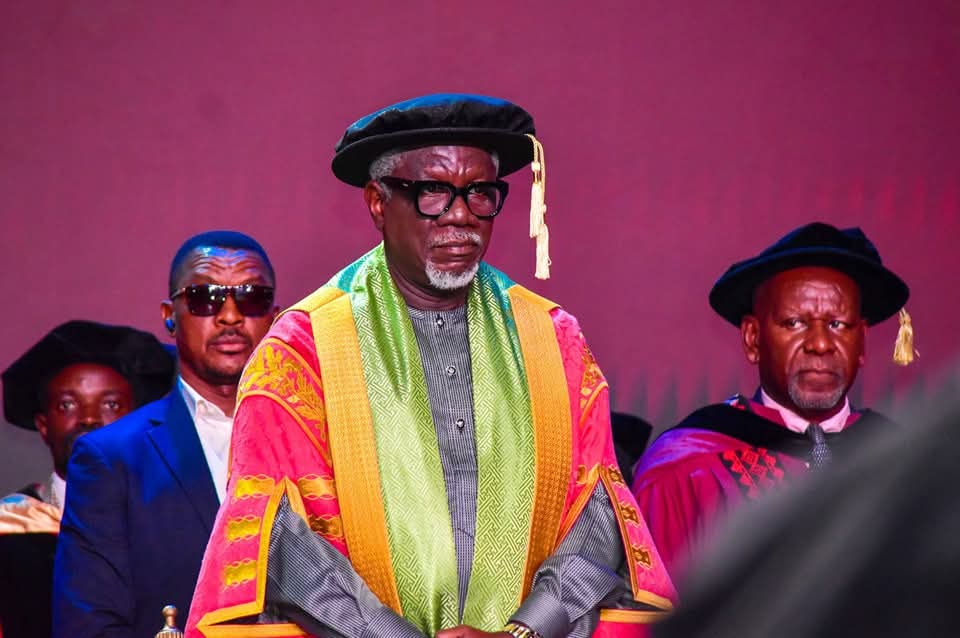
In a thought-provoking Institutional Lecture delivered at Central University on March 12, 2025, Dr. Mensa Otabil speaking on “How to Bring About Change in Africa: Some Fundamental Considerations”, outlined three fundamental considerations for Africa’s development: a culture of precision and accuracy, a future-minded mindset, and an understanding of cause and effect.
These elements, he argued, are crucial for sustainable progress on the continent.
1. The Importance of Precision and Accuracy
Dr. Otabil stated that every nation that has successfully transitioned from poverty to prosperity has embraced a culture of “accuracy and precision.” He noted that development does not happen by chance but through intentional, structured, and disciplined efforts.
He pointed out that in developed nations, orderliness and cleanliness are taken seriously:
“It starts with sanitation. They get rid of disorder in the environment. They demarcate things better. They determine where something starts and where something ends.”
Dr. Otabil argued that Africa must move away from haphazard and careless practices. He cited examples from history, stating that even military regimes in Ghana’s past, such as General Acheampong’s government in 1972, brought temporary improvements by enforcing discipline. However, he warned that discipline without intellectual freedom can stifle progress.
2. Cultivating a Future-Minded Mindset
A critical aspect of sustainable development is thinking about the future. Dr. Otabil lamented that many Africans fail to plan ahead, leading to short-term decision-making that undermines long-term progress. He stated:
“Every generation must be obsessed with how to protect the future generation and make life better for the future generation.”
He challenged African societies to consider their impact on future generations, using the example of illegal mining (galamsey), which is destroying the environment and water bodies. If Africans truly cared about their children’s future, he argued, they would protect natural resources instead of exploiting them recklessly.
He also criticized individuals who do not save or invest for the future:
“You don’t cash all your money and blow all your money on payday. Why? Because you know tomorrow will come.”
This short-sightedness, he noted, is a major obstacle to progress. Leaders and citizens alike must develop a culture of long-term thinking to secure Africa’s future.
3. Understanding Cause and Effect
A key problem in African societies, according to Dr. Otabil, is the lack of a rational, cause-and-effect mindset. He argued that many Africans still live in a “magical world,” where they believe things happen without logical explanations.
He illustrated this point with examples from sports and politics:
“A team is going to play football, and instead of devising a good strategy, they go and tie their enemies. The goalkeeper touches one goal post and makes incantations instead of training hard.”
This magical thinking, he noted, extends to health and governance. Many people attribute deaths to witchcraft rather than medical conditions, and politicians seek religious prophecies instead of developing practical policies.
He stressed that development depends on understanding the relationship between actions and outcomes. Nations that succeed are those where people recognize that hard work, planning, and discipline lead to success, not luck or superstition.
Conclusion

Dr. Mensa Otabil’s lecture provides a compelling framework for Africa’s transformation. He argued that Africa must embrace precision and accuracy, a future-minded culture, and a rational understanding of cause and effect. These principles, he believes, are the foundation for national development.
Change will not come through a single great leader or an extended stay in power. Instead, it will emerge when individuals and societies commit to structured, disciplined, and future-oriented actions. Only then can Africa achieve the transformation it so desperately needs.
Discover more from Living Our Bible
Subscribe to get the latest posts sent to your email.


Leave a comment