

Kumasi, Ghana – The impact of the Christian revival that swept through Ghana in the 1970s and 1980s was so profound that it not only transformed lives but also reshaped social habits and industries.
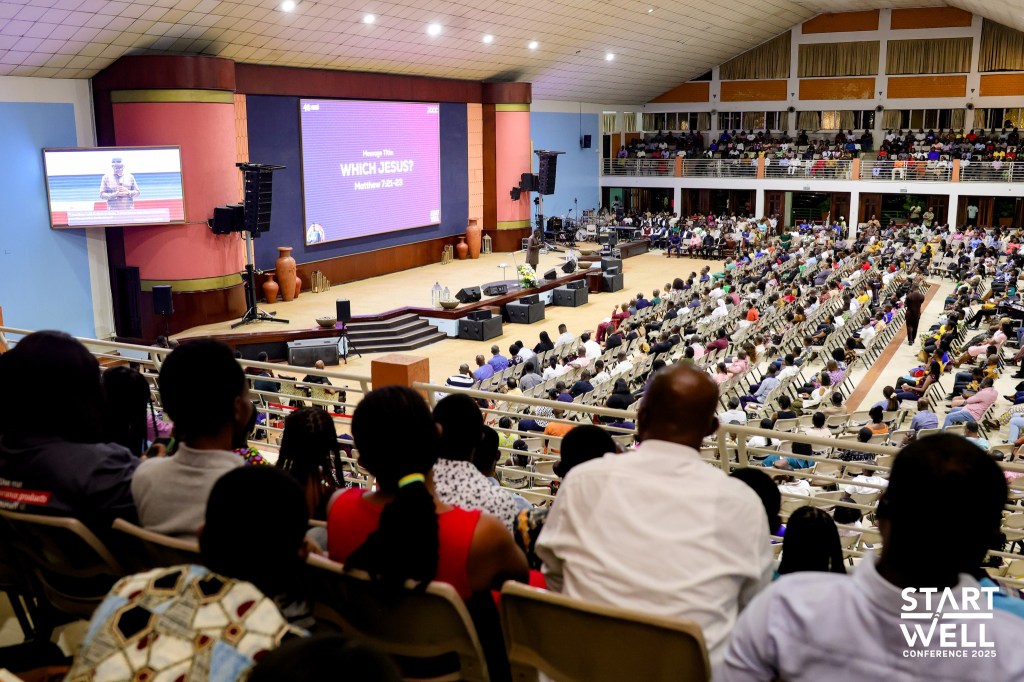
Speaking at the Start Well Conference 2025 at Calvary Charismatic Centre (CCC) in Kumasi, Pastor Mensa Otabil, General Overseer of the International Central Gospel Church (ICGC), recounted the sweeping effects of the revival and its lasting impact on the nation.
A Revival That Changed Ghana

Pastor Otabil emphasized that the 70s and 80s were defining decades for Christianity in Ghana, bringing an unprecedented spiritual awakening. “God has raised the African church with signs and wonders and power,” he declared. “And in the last, I would say from the last 50 or so years beginning from the 70s, God started working on the African church and especially in the 70s and 80s, the church in Africa, I can say for Ghana particularly and also maybe for Nigeria, not entirely all of Africa, but in Ghana, the 70s and 80s were profound times when the gospel of Christ reached secondary schools, universities, touched people who are professionals, touched all kinds of people and brought a dramatic transformation in our country.”
The revival spread like wildfire, reaching young people in high schools and universities, professionals, and entire communities. It was a time of radical conversion, where people turned away from old lifestyles and embraced a new way of life rooted in faith and holiness.
A Decline in Alcohol and Smoking
The Christian movement had such a widespread impact that it even disrupted industries that thrived on alcohol consumption. “There was a time that the breweries of Ghana couldn’t produce alcohol again because people were getting born again and they were not drinking, and so they had to produce malt,” Pastor Otabil revealed.
This shift led to the widespread production and consumption of non-alcoholic malt drinks, which became a staple in Ghana and Nigeria. “I used to think that it was everywhere until I went to other countries and realized that there was no malt. Malt was in Ghana and in Nigeria, and it’s because the breweries had to satisfy a new demand of people whose lives had been transformed by the gospel and who were not drinking alcohol.”
Similarly, smoking saw a dramatic decline during this period. “Smoking was literally eradicated,” he noted. “I used to think it was everywhere until I went to some countries and realized people still smoke. These days, it’s very rare, I don’t know, to find people smoking in Ghana just freely. Very rarely do you find people smoking.”
The Power of Revival

Pastor Otabil attributed these changes to the deep spiritual hunger and revival that gripped the nation. “Sometimes you ask yourself, how do these things come to pass?” he asked. “They came to pass because of a revival that hit our country in the 1970s and the 1980s and transformed a whole generation of people and gave them a new appetite.”
The Start Well Conference at CCC provided a platform for believers to reflect on Ghana’s spiritual history and seek a fresh wave of revival. Pastor Otabil’s message resonated deeply, urging the church to remember the transformative power of God’s presence in past decades and to seek Him afresh for the future.
As Ghana continues to navigate social and spiritual challenges, the testimony of the 70s and 80s revival stands as a beacon of hope, reminding the nation of what is possible when the gospel takes root in the hearts of people.
Discover more from Living Our Bible
Subscribe to get the latest posts sent to your email.


Leave a comment