
—
Introduction
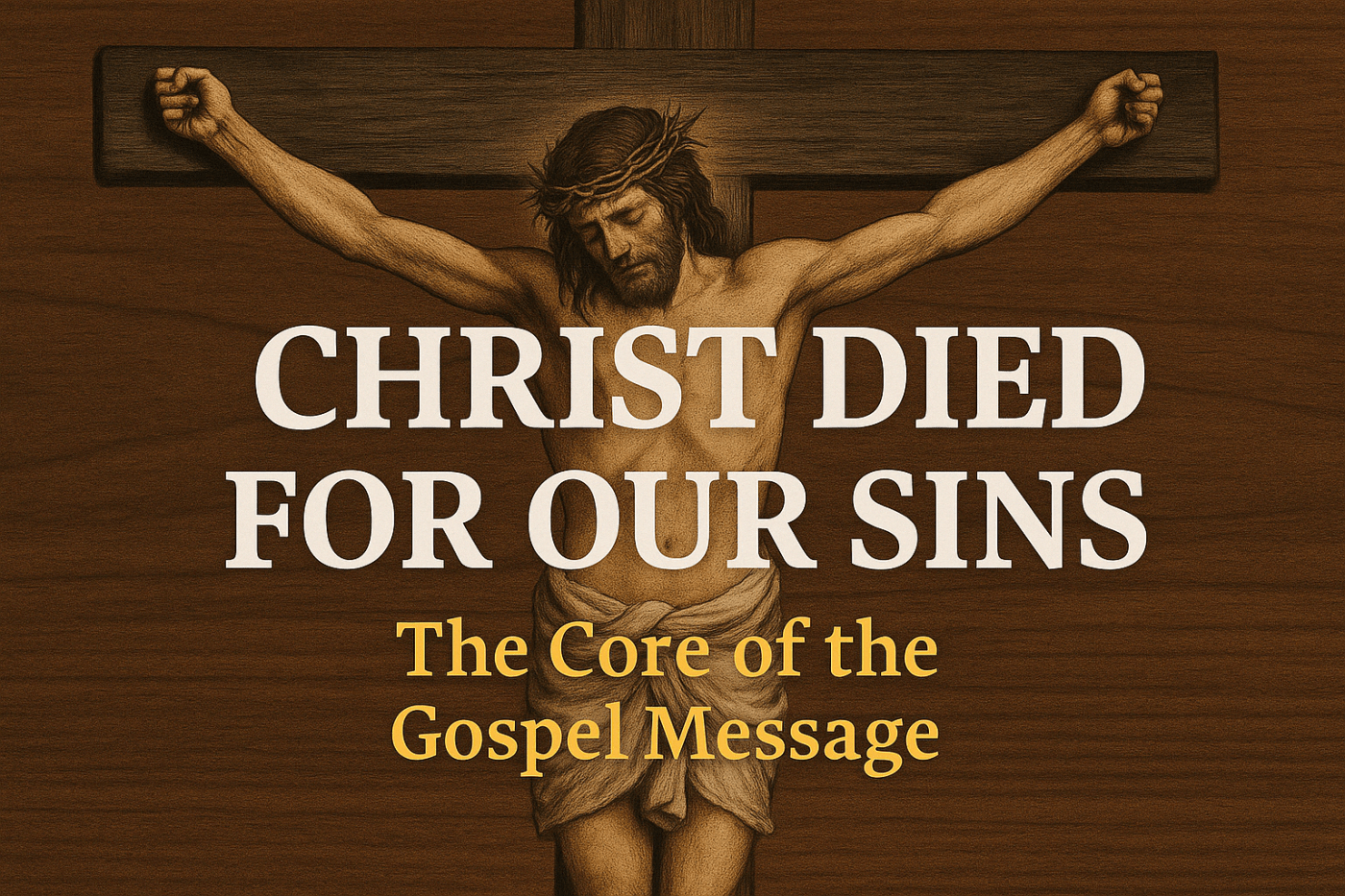
Easter offers Christians around the world a time to reflect on the foundation of their faith — the death, burial, and resurrection of Jesus Christ. These three events form the very heart of the gospel.
As the Apostle Paul powerfully stated in 1 Corinthians 15:3-4, “Christ died for our sins according to the Scriptures, and that He was buried, and that He rose again the third day.”
In this article, we explore three central truths of the Christian message: Christ is our message, Christ died for our sins, and Christ was buried. These truths not only shape the gospel but also anchor the believer’s hope and salvation.
1. Christ Is Our Message
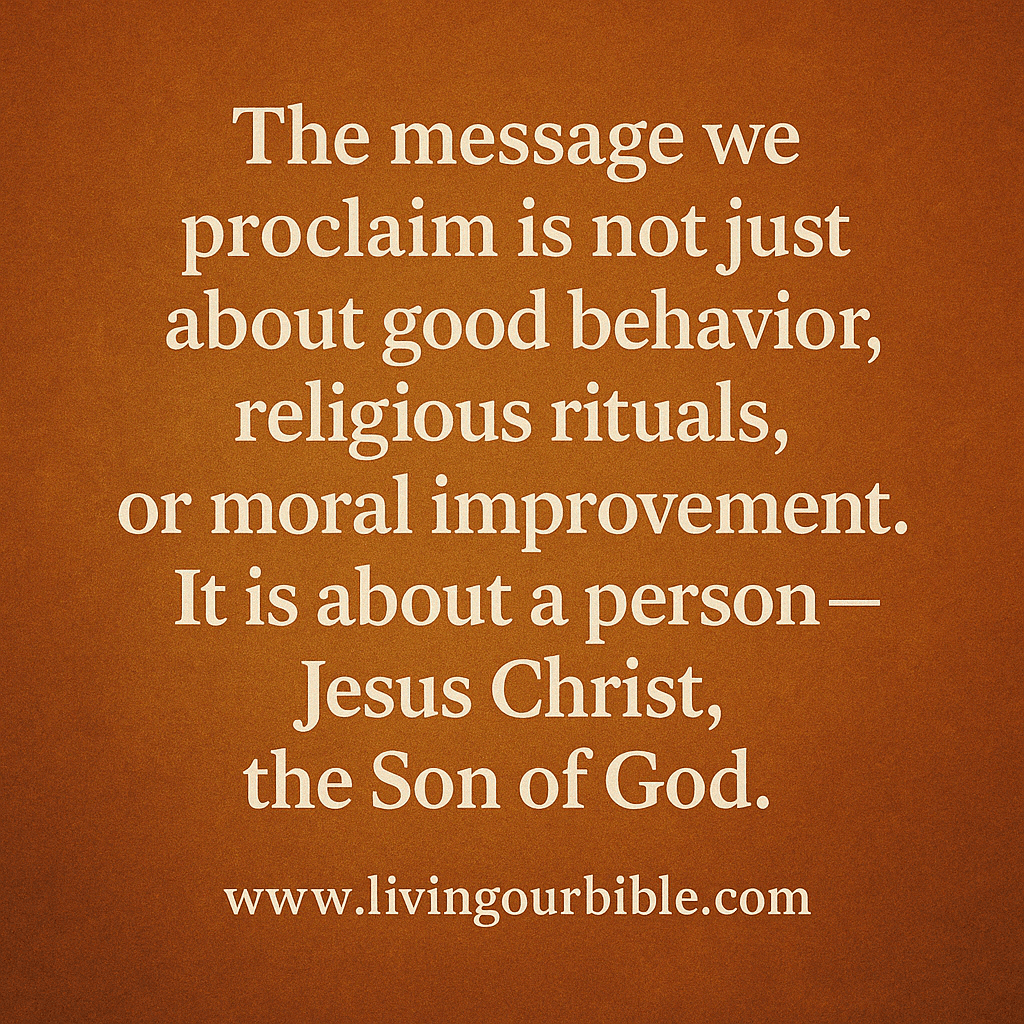
The gospel begins and ends with Christ. Paul declares in Romans 1:1-4 that he was “separated to the gospel of God,” which centers on Jesus Christ — His divine nature, His earthly mission, and His resurrection power. The message we proclaim is not just about good behavior, religious rituals, or moral improvement. It is about a person — Jesus Christ, the Son of God.
As believers, we echo Paul’s conviction in 1 Corinthians 1:23: “We preach Christ crucified.” From Genesis to Revelation, the entire Bible points to Jesus as the fulfillment of God’s redemptive plan. The prophets foretold Him, the apostles proclaimed Him, and the Church exists to glorify Him. In a world searching for answers, we must boldly affirm that Christ is our message.
—
2. Christ Died for Our Sins
The death of Christ was not an accident; it was a divine assignment. The Bible says in 2 Corinthians 5:21, “God made Him who had no sin to be sin for us, so that in Him we might become the righteousness of God.”
The Old Testament sacrificial system — where animals were offered to atone for sin — foreshadowed Christ’s ultimate sacrifice. Unlike the repetitive rituals of the Mosaic law, Christ’s death was once and for all (Hebrews 10:10).
His crucifixion was the fulfillment of prophecy, including the first messianic promise in Genesis 3:15 that the seed of the woman would crush the serpent’s head. Jesus bore the full weight of humanity’s sin, taking our place and offering us redemption. This is the core of our faith — Christ died for our sins.
—
3. Christ Was Buried
Christ’s burial affirms the reality of His death. He didn’t merely appear to die — He truly died and was buried in a tomb, as witnessed by many. This physical burial counters any claim that Jesus only fainted or escaped. In Matthew 27:59-60, Joseph of Arimathea laid Christ’s body in his own new tomb, sealing it with a stone.
The burial of Jesus confirms that He shared fully in our humanity, even to the point of death. Moreover, it fulfills prophecy and assures us that our own physical death is not the end. Because Christ was buried — and later resurrected — we have hope for eternal life. Christ was buried as a demonstration of God’s plan of redemption unfolding with accuracy and power.
Conclusion
The gospel message is not a myth or a motivational story — it is rooted in the historical and spiritual truth that Christ died for our sins, Christ is our message, and Christ was buried. These truths shape our preaching, our faith, and our future.
As Paul urged in 1 Corinthians 15:1-2, this gospel is “the message you received and on which you have taken your stand. By this gospel, you are saved.”
As we reflect this Easter, let us not waver from the foundation of our faith. Let us boldly proclaim the eternal truth: Jesus Christ died for our sins, He was buried, and He rose again — and in Him, we have everlasting life.
Discover more from Living Our Bible
Subscribe to get the latest posts sent to your email.


Leave a comment