
Introduction
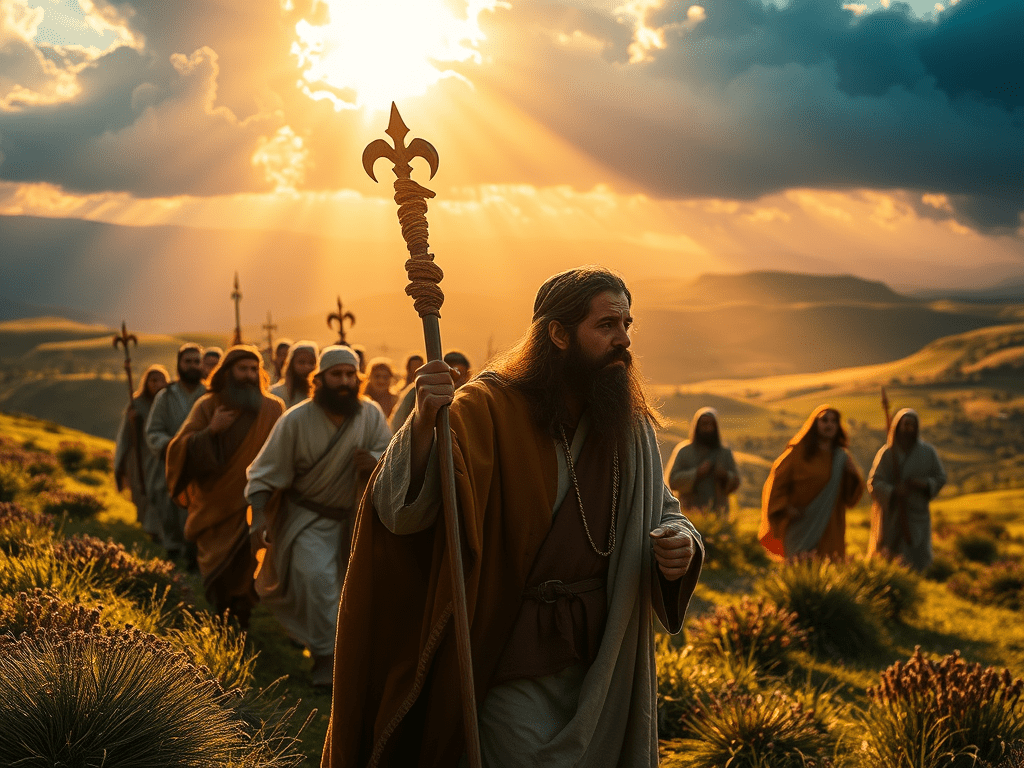
The Book of Deuteronomy opens with Moses recounting the unfaithfulness of Israel, a recurring theme throughout the Old Testament. Despite God’s unwavering commitment to His people, Israel frequently faltered in trusting Him.
In Deuteronomy 1, Moses highlights Israel’s rebellion against God’s command to possess the Promised Land.
This chapter offers valuable lessons on obedience, leadership, and the consequences of unfaithfulness. As we explore Israel’s failure to trust in God’s promises, we are reminded of His steadfast faithfulness to us, even when we fall short.
“Israel’s rebellion against God led to missed opportunities and consequences they couldn’t escape.”
1. God’s Command to Possess the Land (Deuteronomy 1:1-8)
God’s command to Israel was clear: they were to move forward and take possession of the land He had promised their ancestors. This command was not just a call to military conquest but a call to faith and obedience. God had already given them the victory, yet they hesitated, focusing on their own limitations rather than trusting in God’s power. Moses emphasized that the land was a gift, not something to be earned by human strength, but by faith in God’s promises.
Scripture: “See, I have given you this land. Go in and take possession of the land the Lord swore he would give to your ancestors, to Abraham, Isaac, and Jacob, and to their descendants after them.” (Deuteronomy 1:8 NIV)
For us, this serves as a reminder that God’s promises are not dependent on our own strength or abilities but on His faithfulness. He calls us to step out in faith and trust that He has already paved the way for our success.
“Fear and doubt can cloud our vision of God’s promises, leading us away from His best for us.”
2. Appointment of Tribal Leaders (Deuteronomy 1:9-18)
To manage the growing nation and ensure justice, Moses appointed leaders over the tribes of Israel. This act highlights the importance of shared leadership and governance. God does not call us to walk in isolation but to work together in unity, supporting one another and making decisions that reflect His will. By establishing leaders, Moses ensured that the needs of the people were addressed in an organized, just manner.
Scripture: “Choose some wise, understanding, and respected men from each of your tribes, and I will set them over you.” (Deuteronomy 1:13 NIV)
Leadership, both in the church and in our daily lives, is not just about authority but about responsibility, service, and humility. It’s a call to guide others in faith and obedience to God’s commands.
“God’s judgment on disobedience doesn’t mean the end; it often leads to a new opportunity for faith.”
3. Israel’s Refusal to Enter the Land (Deuteronomy 1:19-33)
When the time came to claim the Promised Land, Israel faltered. Driven by fear and doubt, they chose disobedience over faith. The people sent spies into the land, and upon hearing the report of giants and fortified cities, they feared for their lives. Instead of trusting God’s promise, they allowed fear to dictate their actions, choosing rebellion over obedience.
Scripture: “But you were unwilling to go up; you rebelled against the command of the Lord your God.” (Deuteronomy 1:26 NIV)
This moment of rebellion serves as a cautionary tale for us today. Fear often holds us back from the promises God has in store for us. When faced with challenges, we must remember that God is with us and that His promises are true, no matter the obstacles we face.
“Shared leadership is a sign of strength, not weakness—it is about mutual responsibility in God’s work.”
4. God’s Judgment on Israel (Deuteronomy 1:34-46)
As a consequence of their rebellion, God declared that the generation who refused to enter the land would not see the Promised Land. Instead, they would wander in the wilderness for 40 years, and only their children would inherit the land. God’s judgment demonstrated that disobedience has serious consequences. However, even in judgment, God’s mercy was evident, as He allowed a new generation to rise up and fulfill His promises.
Scripture: “Not one of you will enter the land I promised on oath to settle you, except Caleb son of Jephunneh and Joshua son of Nun.” (Deuteronomy 1:36 NIV)
God’s faithfulness is unwavering, but He also holds us accountable for our actions. Disobedience leads to missed opportunities, but God is always ready to forgive and restore those who turn back to Him.
“God’s faithfulness is constant, even when we fall short in trusting Him.”
Conclusion
The unfaithfulness of Israel in Deuteronomy 1 highlights the consequences of disobedience and the importance of trusting in God’s promises. Despite Israel’s failure, God remained faithful to His covenant, providing a way for future generations to enter the Promised Land.
As believers, we are reminded that God’s faithfulness never falters, even when we struggle with doubt and fear. Trusting in His word and following His commands leads to blessing and fulfillment of His promises in our lives.
“Obedience to God is the gateway to possessing the promises He has for us.”
Take Action: Reflect on your own life and ask God to help you trust Him fully, even when fear or doubt threatens to hold you back. Follow His commands and step into the promises He has prepared for you.
Follow us on Living Our Bible for more insights on living in obedience to God’s word: http://www.livingourbible.com
Join our Living Our Bible WhatsApp channel for daily encouragement and teachings on walking faithfully with God: https://whatsapp.com/channel/0029VaDLNkDEFeXpLJpcHt0r
Discover more from Living Our Bible
Subscribe to get the latest posts sent to your email.


Leave a comment