
LOB Events I http://www.livingourbible.com I Tuesday 24th March 2026
Introduction
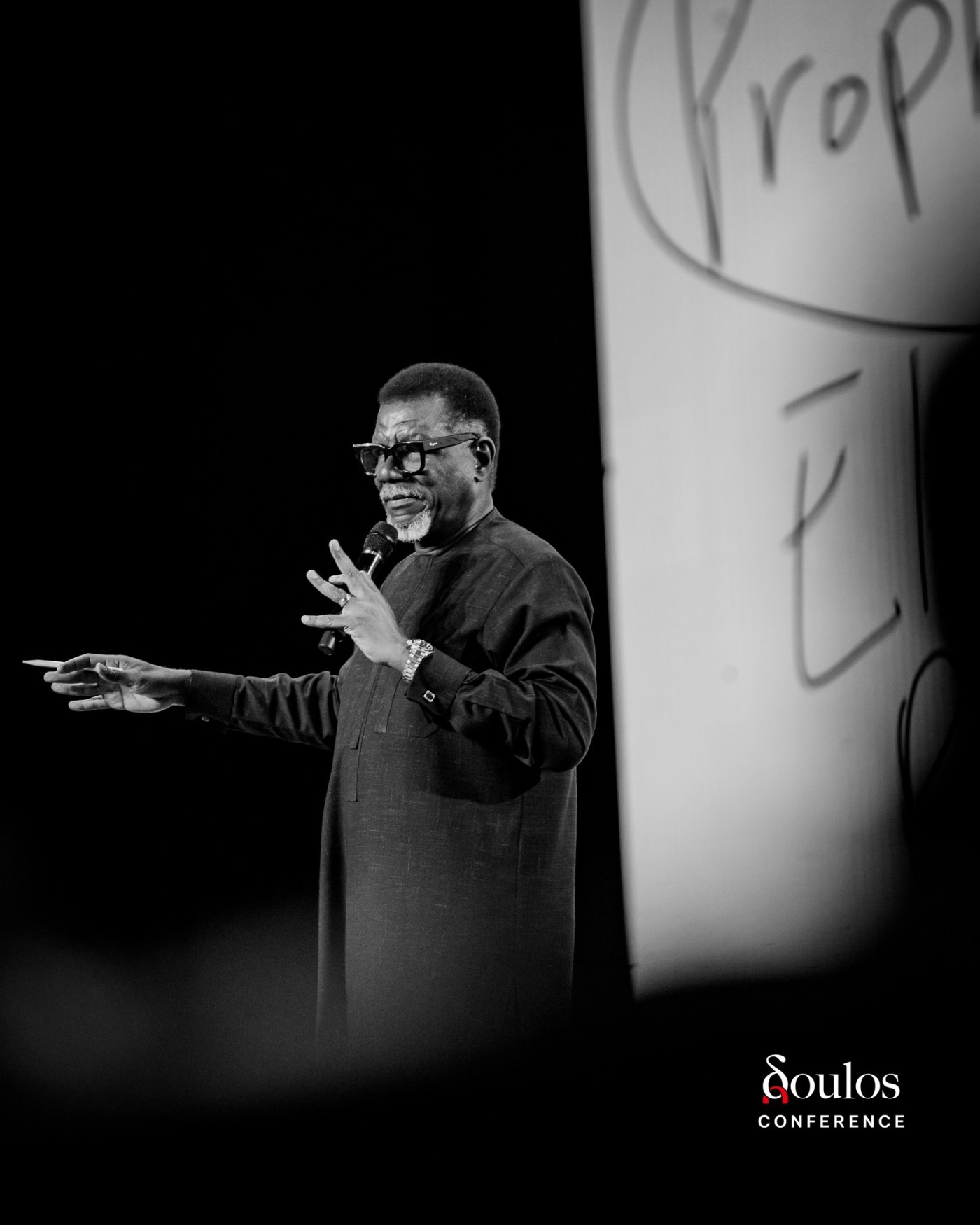
During the Day 1 evening session of Doulos Conference 2026 at ICGC Christ Temple East, Teshie-Accra, Pastor Mensa Otabil continued his insightful teaching on church governance, taking participants deeper into the historical evolution of church leadership systems.
Building on his earlier message, he challenged pastors to understand the roots of church structures and to build ministries with wisdom, balance, and long-term vision.
The Historical Evolution of Church Governance
Pastor Otabil traced the journey of the Church from the apostolic era, explaining that after the early apostles, leadership transitioned to disciples and later structured systems. He clarified misconceptions about Scripture formation, stating, “The New Testament wasn’t written as one book… but it was accepted very early in the life of the church.”
He explained how bishops emerged to oversee churches and how hierarchy gradually developed, eventually leading to concentrated authority in certain regions.
The Danger of Concentrated Power
A major highlight of the session was his warning about excessive centralisation of authority. Referring to the rise of the papacy, he noted, “The episcopacy… makes a pastor or the church head to be like a king and that can be very dangerous.”
He cautioned that when leaders position themselves as unquestionable authorities, it can suppress other voices and lead to division and abuse within the Church.
Lessons from Church History and Reformation
Pastor Otabil explained how historical crises such as the Great Schism and the Protestant Reformation were responses to governance imbalances. He highlighted how reformers sought to redistribute authority, saying churches must learn from history to avoid repeating past mistakes.
The Call for Hybrid and Balanced Systems
Emphasising practical application, he revealed that many modern churches require a blended approach. “Every church founder must understand the three systems and try to blend them,” he advised, stressing the importance of balancing power, participation, and accountability.
Conclusion
The evening session reinforced a powerful message: sustainable ministry requires informed leadership. By combining biblical foundations with historical insight, Pastor Otabil challenged leaders to build churches that are structured to endure for generations.
About Living Our Bible (LOB)
Living Our Bible is a fast-growing Christian media platform dedicated to sharing faith news, leadership insights, and biblical teaching. Visit www.livingourbible.com for more updates.
Discover more from Living Our Bible
Subscribe to get the latest posts sent to your email.


Leave a comment